The Critical Role of Electrical Certificates in Safety and Compliance
Electrical certificates prove that your property’s wiring and installations follow UK safety standards, so read on to see why this paperwork is vital.
Protecting life and property from electrical risks
Proper certification stops faults that cause shocks and fires. Certificates show compliance with wiring standards and provide clear documentation for inspections and insurance.
Qualified electricians carry out testing, record results, and issue certification after work. Regular maintenance and timely inspections reduce risk and protect property, safety and liability.
Ensuring installations meet UK safety standards (e.g., BS 7671)
Electrical installations must adhere to UK safety standards, such as BS 7671. Compliance with these standards protects people and property from electrical hazards. Qualified electricians ensure that their work meets these regulations during installation.
They conduct thorough checks and tests to confirm every aspect aligns with required guidelines.
Homeowners and landlords have a legal duty to maintain safe environments for tenants or residents. Regular inspections can help identify issues before they cause harm. Valid certification serves as evidence of compliance, which is crucial for insurance purposes.
These practices safeguard investments while promoting electrical safety at all times. Understanding the types of certificates ensures you select the right one for your needs moving forward.
Legal responsibilities for homeowners, landlords, and businesses
Homeowners, landlords, and businesses must prioritise electrical safety. They hold legal responsibilities to ensure all installations comply with UK safety standards. Violating these regulations can lead to severe penalties.
Lack of proper certification may affect insurance coverage too. Property owners risk financial loss if accidents occur due to faulty wiring.
Landlords need valid Electrical Installation Condition Reports (EICRs) for their rental properties. This report ensures the electrical systems are safe for tenants. Regular inspections help protect lives and property from risks associated with poor workmanship or outdated installations.
Understanding these obligations supports compliance while safeguarding investments in residential or commercial properties.
Types of Electrical Certificates and When They Are Needed await further discussion next.
Impact on insurance and liability
Insurance companies often require valid electrical certificates to cover properties. Without these documents, clients may face higher premiums or even denial of coverage. Liability risks also increase without proper certification.
If an electrical issue causes damage or injury, insurers might refuse to pay claims if no certificate exists.
Landlords and homeowners risk severe financial consequences if they lack compliance with safety standards. Valid certificates demonstrate that installations meet regulatory requirements, reducing liability concerns.
Keeping these documents up to date shows diligence in maintenance and reflects commitment to safety standards, helping protect investments effectively.
Types of Electrical Certificates and When They Are Needed
Electrical certificates serve clear purposes based on the type of work completed. Homeowners and landlords must understand which certificate applies to their situation for compliance with safety regulations.
Electrical Installation Certificate (EIC) for new work or full rewires
An Electrical Installation Certificate (EIC) is essential for new electrical work or complete rewires. This certificate confirms that installations meet safety standards, such as BS 7671 in the UK.
Homeowners must obtain an EIC before using a newly installed system.
Qualified electricians issue this document after inspecting and testing the work. The EIC provides peace of mind by ensuring compliance with regulations. Keeping this certificate on file proves vital during property sales or rental inspections.
Electrical Installation Condition Report (EICR) for existing systems
An Electrical Installation Condition Report (EICR) assesses the safety of existing electrical systems. It identifies any faults or risks that may pose a danger to users. Homeowners and landlords need this report to ensure compliance with UK regulations.
The EICR evaluates installations against safety standards, such as BS 7671. During inspections, electricians check wiring, sockets, and switches for damage or wear.
Every five years or before new tenants move in, an EICR is essential for rental properties. This report enhances safety and helps prevent electrical hazards. When problems arise, electricians provide recommendations for repairs or upgrades to maintain high standards of workmanship.
Keeping track of your EICR can also protect your investment and provide peace of mind regarding ongoing maintenance needs.
Minor Electrical Installation Works Certificate (MEIWC) for small alterations
Moving from the Electrical Installation Condition Report, we now look at the Minor Electrical Installation Works Certificate (MEIWC). This certificate applies to small alterations in electrical work.
Examples include adding a new socket or replacing light fixtures. Obtaining an MEIWC ensures that these changes comply with safety standards. It confirms that any work done meets UK regulations.
Homeowners and landlords must secure this certificate for minor works. Keeping it on file helps demonstrate compliance during inspections and property sales. The MEIWC protects you from potential risks associated with improper installations.
Regular checks provide peace of mind about safety and workmanship in your property’s electrical system.
Specific requirements for residential, rental, and commercial properties
Residential properties require an Electrical Installation Certificate (EIC) for new work or full rewires. This certificate verifies that the installation meets UK safety standards like BS 7671.
Rental properties need regular Electrical Installation Condition Reports (EICR), which assess the state of existing systems. Landlords must provide these certificates to ensure tenant safety.
Commercial properties face strict guidelines as well. They often need EICs for extensive electrical work and EICRs at regular intervals, typically every five years. Businesses must keep their certificates current to comply with local regulations and safeguard employees and customers.
Proper certification is vital in managing risks associated with electrical installations.
Legal Implications and Regulatory Requirements
Property owners must comply with Building Regulations and local authority rules. Failing to obtain valid certification can lead to serious legal consequences.
Building Regulations and local authority compliance
Building regulations set the baseline for safety and compliance in electrical installations. Local authorities enforce these regulations to protect people and property. They require various certifications, ensuring all work meets UK standards.
Homeowners, landlords, and businesses must follow these rules to avoid penalties.
Failure to comply can lead to serious consequences. Violations may result in fines or legal action. Additionally, not having valid certification can affect insurance coverage. Property transactions also require proof of compliant electrical systems for sales or rentals.
Keeping up with local authority requirements is crucial for safeguarding your investment while maintaining safety standards.
Consequences of not possessing valid certification
Lacking valid electrical certification can lead to serious consequences. Homeowners, landlords, and businesses may face legal penalties for non-compliance. Without proper certification, installations might not meet UK safety standards like BS 7671.
This oversight increases the risk of electrical hazards that can threaten lives and property.
Insurance claims may be denied if an accident occurs without valid certificates. Failing to show certifiable work could also make selling or renting a property more difficult. It is crucial to maintain updated electrical certifications to protect both your investment and your responsibilities as a property owner or landlord.
Requirements for property sales, rentals, or renovations
Property owners must show valid electrical certificates during sales, rentals, or renovations. Buyers and tenants need proof of safe installations. The law requires that homes meet safety standards like BS 7671.
Without proper certification, property owners face legal risks and potential fines.
Sellers should ensure all necessary inspections occur before listing a property. Landlords must provide current Electrical Installation Condition Reports (EICR) to new tenants. Renovations also require relevant certificates for compliance with regulations.
Meeting these requirements helps protect investments and ensures safety for everyone involved. Next, we will look at how to obtain and maintain electrical certificates effectively.
Ensuring valid certificates during property purchase or tenancy changes
Valid electrical certificates are crucial during property purchases or tenancy changes. Buyers and tenants must verify that the property meets safety standards and compliance regulations.
An Electrical Installation Condition Report (EICR) is essential for existing systems; this report ensures that electrical installations remain safe for occupancy.
Sellers should provide valid electrical certificates to potential buyers. Landlords also have a duty to ensure that their properties pass inspections before new tenants move in. Keeping these documents up to date helps avoid legal issues and protects both landlords and tenants.
Regular maintenance ensures that every installation meets current standards, reducing risks associated with faulty wiring or unsafe conditions.
How to Obtain and Maintain Electrical Certificates
To obtain and maintain electrical certificates, choose a qualified electrician who follows safety standards. They will carry out inspections and tests on your installations. Once completed, they provide you with the necessary certification.
Address any issues highlighted in reports promptly to ensure safety. Regular maintenance checks help keep your systems running efficiently. Stay informed about updates to regulations to remain compliant over time.
Discover more about safeguarding your property through effective practices today!
Choosing a qualified and accredited electrician
Choosing a qualified and accredited electrician is vital for safety and compliance. A skilled electrician ensures that electrical installations meet UK standards, such as BS 7671. Look for electricians registered with recognised bodies like NICEIC or Elecsa.
These credentials show their expertise in wiring and inspections.
Check reviews from past clients to see their workmanship. Ask about their experience with specific types of work, whether residential or commercial. Reliable electricians provide clear documentation, including relevant certificates after the job is finished.
They help maintain compliance with regulations while keeping you safe from potential risks.
The inspection, testing, and certification process
Qualified electricians handle the inspection, testing, and certification process. They assess your electrical systems to ensure they meet safety standards. This process includes checking wiring, circuits, and connections for any potential risks.
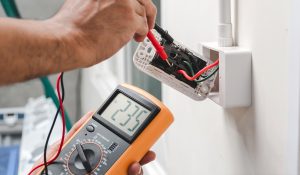
Electricians conduct tests that measure the current flow and detect faults.
Once the inspection finishes successfully, you receive a certificate confirming compliance with regulations. Regular inspections keep your installation safe and help manage risks effectively.
Homeowners must schedule these checks periodically to maintain valid certificates for insurance purposes or future sales.
Interpreting your certificate and addressing unsatisfactory reports
Understanding your electrical certificate is essential for safety and compliance. Each certificate contains vital information about the installation or the condition of your electrical system.
If you receive an unsatisfactory report, take immediate action. Identify the issues listed in the report and consult a qualified electrician to address them.
Unsatisfactory findings may include faulty wiring or outdated components that do not meet current standards. Ensuring these problems get fixed maintains safety and helps uphold legal obligations.
Regular maintenance checks can prevent future issues, protecting life and property from potential risks associated with electrical installations. Keep all certificates updated for easy access during inspections or property transactions; this practice supports compliance and risk management efforts as well.
Regular maintenance and safety checks
Regular maintenance and safety checks ensure your electrical systems remain safe and compliant. Schedule these checks at least once a year to spot potential hazards early. Qualified electricians conduct inspections, testing wires, circuits, and appliances for wear or damage.
They provide reports detailing any faults found during the examination.
Address any issues immediately to avoid accidents or costly repairs later. Keeping certificates up to date shows responsibility as a property owner or landlord. Comprehensive maintenance keeps installations aligned with UK safety standards, such as BS 7671.
Regular inspections protect your investment by ensuring reliable workmanship and ongoing safety compliance.
Advice for Property Owners and Landlords
Property owners must prioritise ongoing electrical safety measures. Regularly check that all certificates remain current and accessible for tenants and inspectors alike.
Best practices for ongoing electrical safety
Regular inspections ensure ongoing electrical safety. Homeowners and landlords should schedule these checks every three to five years, or sooner for rental properties. Qualified electricians must conduct the testing.
They provide Electrical Installation Condition Reports (EICR) that detail the state of existing systems.
Keep records of all certificates in an accessible location. This practice helps track compliance with regulations and standards. Invest in minor upgrades when necessary; they can prevent potential hazards.
Educate tenants about electrical safety too, as informed occupants play a crucial role in maintaining safe environments.
Strategies to ensure continued compliance
Ongoing electrical safety and compliance require consistent effort. Property owners must schedule regular inspections with qualified electricians. These professionals ensure that installations meet current standards.
Keeping up with maintenance checks also enhances safety in homes or commercial properties.
Landlords should maintain clear records of all certifications and inspection reports. This practice proves essential during property sales or rental agreements. Staying informed about legal obligations helps avoid penalties.
Compliance not only protects individuals but also safeguards investments against potential risks.
Keeping certificates up to date and easily accessible
Keeping electrical certificates up to date is vital for safety and compliance. Property owners should regularly check their documents. Store certificates in an obvious place, like a dedicated folder or digital file.
This makes it easy to find them during inspections or when needed for legal reasons.
Landlords must update their certificates promptly after any work on the property. This includes installations or repairs that affect electrical systems. Tenants often expect readily available documentation when they move in, so being organised helps maintain trust and satisfaction.
Understanding your obligations ensures you protect your investment while meeting regulatory requirements properly. Next, we will explore how to obtain and maintain these essential electrical certificates effectively.
Understanding your obligations and protecting your investment
Property owners and landlords must understand their obligations regarding electrical safety. Compliance with UK regulations ensures that installations meet safety standards. Obtaining the correct electrical certificates protects life and property from risks.
Valid certifications can also safeguard your investment by preventing legal issues or liability claims.
Regular maintenance is crucial for ongoing compliance. Property owners should schedule inspections to keep their systems safe and efficient. Easy access to up-to-date certificates is essential during property sales or tenancy changes.
Staying informed about legal responsibilities helps prevent complications down the line.