This outline lists 10 signs your home needs an electrical inspection. It highlights circuit breaker trips, flickering lights, burning smells, sizzling sounds from sockets, warm switches, sparks or shocks, and outlets that scorch.
These signs point to wiring issues, outlet malfunction, or a fire hazard and affect electrical safety.
The outline also covers hidden problems such as outdated wiring, excessive use of extension leads, overloaded sockets, and old fuse boxes missing RCD protection. It flags triggers to book a home inspection, such as recent renovations, moving into an older property, flood or fire damage, or frequent power surges that suggest grounding issues or code non compliance.
Introduction
A home should always feel safe and secure. Electrical problems can create serious hazards, yet many people overlook them. This blog post reveals ten clear signs that your home needs an electrical inspection.
Stay tuned to protect your space and your family from risks like electric shocks or even fire hazards.
Key Takeaways
- Frequent circuit breaker trips, flickering lights, burning smells, and buzzing or sizzling sounds from outlets are strong warning signs of wiring problems. Ignoring these can lead to electric shocks or fire hazards.
- Outdated wiring, overloaded sockets, and old fuse boxes without RCD protection greatly increase electrical risks at home. These issues often fail modern safety standards and should be addressed quickly by a qualified electrician.
- Major changes like renovations, moving into an older property built before 1990, or experiencing flood or fire damage should trigger an immediate electrical inspection for safety.
- Using many extension leads or noticing warm/discoloured switches also signals overloaded circuits. This practice puts your home at higher risk of overheating and fires.
- Booking regular inspections with a certified electrician helps prevent dangerous faults, ensures compliance with current codes (such as BS 7671 in the UK), and protects your family’s well-being.
Brief overview of electrical safety and the importance of regular inspections in the home.
Electrical safety plays a crucial role in every home. Regular inspections help prevent hazards like electrical shocks and fires. Homeowners should check for warning signs that indicate potential wiring issues.
Ignoring these signals can lead to dangerous situations, including fire hazards or power outages.
Inspectors look for problems such as faulty circuit breakers and damaged outlets during routine checks. This process also identifies outdated fuses and the need for electrical upgrades.
A thorough inspection ensures compliance with current codes, protecting your family’s safety and security at home. Taking proactive steps creates a safer living environment for everyone inside your house.
Clear Warning Signs of Electrical Issues
Watch for warning signs that indicate electrical issues may be present in your home. Frequent circuit breaker trips can suggest an overload. Flickering lights often signal wiring problems or loose connections.
Burning smells around outlets should raise immediate concerns. Buzzing noises from sockets indicate potential faults that need addressing. Warm or discoloured wall plates are also red flags to consider seriously.
Sparks or mild electric shocks when using appliances show hazards you shouldn’t ignore. Light bulbs burning out quickly point to underlying electrical challenges that require attention.
Curious about all the details? Keep reading!
Frequent circuit breaker trips
Frequent circuit breaker trips signal problems in your electrical system. Circuit breakers protect your home from overloads by cutting off the power supply when an issue arises. If breakers trip often, it indicates underlying issues with your wiring or devices.
Overloading outlets can cause these trips too.
Flickering lights may occur alongside this problem, further showing that something isn’t right. Ignoring these symptoms could lead to more significant hazards like electrical shocks or even fire risks.
Take immediate action if you experience regular trips in your circuit breaker; a professional inspection is crucial for safety and code compliance. Next, we’ll explore other warning signs of electrical issues in your home.
Flickering or dimming lights
Flickering or dimming lights often signal underlying electrical problems. These issues can stem from faulty wiring, poor connections, or overloaded circuits. Frequent fluctuations in brightness may point to circuit problems that require attention.
Ignoring these signs can lead to more significant hazards, such as electrical shocks or fire risks. If your lights constantly flicker or dim, it’s important to act swiftly and consult a professional for an inspection of your home’s electrical safety.
Burning smells or scorched outlets
Flickering or dimming lights can indicate deeper electrical issues. Burning smells or scorched outlets are serious warning signs that homeowners must not ignore. These odours often stem from overloaded circuits or faulty wiring.
If you notice a burning scent, check your electrical outlets immediately. Scorched outlets may look discoloured or show signs of damage.
Both problems pose significant fire hazards and can lead to electric shocks. You should promptly call a qualified electrician for an inspection if you experience these symptoms. Addressing these issues quickly ensures your home’s electrical safety and prevents further damage to your wiring system or appliances.
Buzzing noises from sockets or switches
Burning smells or scorched outlets often indicate serious electrical problems. Buzzing noises from sockets or switches should also raise alarms. These sounds may signal underlying issues, such as faulty wiring or loose connections.
Ignoring these noises can lead to more significant hazards, including electrical shocks or fire risks.
If you hear a buzzing sound, act quickly. Contact a qualified electrician for an inspection. They will identify any wiring issues and assess the safety of your electrical system. Do not overlook these warning signs; they could save you from costly damage or danger in your home.
Warm or discoloured wall plates
Warm or discoloured wall plates indicate potential wiring issues. When you touch these plates, they may feel hot. This heat can result from overloaded circuits or faulty connections.
Warmth often signals that electrical current flows where it should not. Discolouration might stem from burning wires beneath the surface.
Ignoring these signs can lead to serious hazards like electrical shocks or fires. A safety inspection by a qualified electrician is essential to address these concerns properly. Shifts in colour and warmth suggest underlying problems with your electrical outlets and wiring that must get fixed immediately.
Now let’s examine hidden dangers not to overlook, such as outdated wiring and overloaded sockets.
Sparks or mild electric shocks
Sparks or mild electric shocks can indicate serious electrical issues in your home. These signs often arise from faulty wiring or damaged outlets. You should investigate any sudden sparks immediately, as they present a fire hazard.
Mild shocks while using appliances also signal potential problems with electrical safety.
Do not ignore these warning signs; they demand urgent attention from a qualified electrician. Faulty circuit breakers may fail to protect you from dangerous situations, increasing the risk of electrical hazards.
Prioritising safety ensures that your home’s power supply remains reliable and secure for everyone inside.
Light bulbs burning out quickly
Light bulbs burning out quickly can signal underlying electrical issues. Frequent bulb failures often stem from problems with the electrical supply or faulty connections in wiring.
Overvoltage can also cause bulbs to burn out sooner than expected.
Check your light fixtures and sockets for signs of wear or damage, such as discolouration or scorch marks. These could indicate more serious wiring issues that require prompt attention from a professional electrician.
Such issues might lead to fire hazards if left unaddressed. Hidden dangers may exist in outdated wiring systems that need proper inspection and upgrades.
Hidden Dangers Not to Overlook
Old wiring can pose serious risks in your home. Damaged electrical systems might trigger fires or cause electric shocks.
Outdated or visibly damaged wiring
Outdated or visibly damaged wiring can lead to serious issues in your home. Look for signs like frayed wires, discolouration, or exposed areas. These problems increase the risk of electrical shocks and fires.
Old wiring often fails to meet today’s safety standards, creating a fire hazard.
Homeowners should pay attention to their electrical systems. If you notice sparks or burning smells from outlets, call an electrician right away. Regular inspections help catch these hidden dangers before they escalate into larger problems.
Prioritising electrical safety ensures a secure environment for you and your family.
Excessive use of extension leads or overloaded sockets
Outdated or visibly damaged wiring can lead to serious risks in your home. Excessive use of extension leads often adds to these dangers. Overloading sockets with too many devices creates a fire hazard.
Many people plug multiple appliances into one socket without realising the danger. This practice can cause overheating and damage to your electrical outlets.
Using an extension lead for several high-powered devices may also strain your home’s power supply. Warm switches and sizzling sounds are clear signs that something is wrong. You must avoid overloading your circuits, as this increases the risk of electric shocks or fires.
Regular inspection ensures safety and proper function in your home’s wiring system.
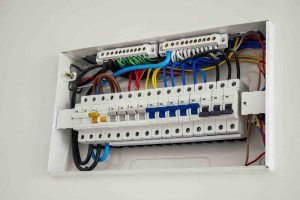
Old consumer units (fuse boxes) or missing RCD protection
Excessive use of extension leads or overloaded sockets can signal deeper issues in your home’s electrical system. Old consumer units, often called fuse boxes, might not meet today’s safety standards.
These outdated systems lack the necessary features to protect your home from potential hazards.
Missing RCD protection increases the risk of electric shocks and fires. RCDs cut power instantly if they detect faults, providing vital safety measures you need. Upgrading to a modern consumer unit with RCDs enhances overall electrical safety and supports more powerful appliances without risking overloads or fire hazards.
When to Prioritise a Professional Inspection
When you carry out recent renovations or plan significant upgrades, schedule a professional inspection. If you move into an older home, don’t hesitate to call an expert. After any flood or fire damage, get your wiring checked immediately.
Contact a qualified electrician if you’re unsure about your safety devices. Stay informed and ensure your home’s electrical system is safe and sound for everyone inside. Want to know more? Keep reading!
Recent home renovations or planned major upgrades
Home renovations often involve significant changes to your electrical setup. You may need extra circuits or upgraded wiring to support new appliances and lighting. Older wiring may struggle to handle increased power demands, leading to safety hazards.
Planned upgrades can also pose risks if you do not assess the current electrical system first. New installations like high-powered ovens or air conditioning units require a reliable power supply.
Always book a qualified electrician for an inspection before starting work on these projects.
Moving into an older property
Moving into an older property can come with unique electrical challenges. Many such homes contain outdated wiring and old consumer units, which can pose a serious fire hazard. Inspecting the electrical systems is crucial to ensure safety.
Flickering lights or warm switches might indicate deeper issues within the electrical wiring. Homeowners should also check for excessive use of extension leads, as this can lead to overloaded sockets.
New residents must prioritise an inspection by a qualified electrician. Ignoring potential problems now could result in severe consequences later on. Being proactive helps prevent risks like electrical shock or fire hazards down the line.
Take action before small signs become major headaches, ensuring peace of mind in your new space.
After flood or fire damage
Flood or fire damage can severely impact your home’s electrical system. Moisture and heat can deteriorate wires and outlets, leading to dangerous wiring issues. Sizzling sounds from sockets often indicate that something is wrong.
Warm switches may suggest overheating or damage caused by the incident.
Acting quickly is crucial after such events. Book a safety inspection with a qualified electrician immediately, even if you think everything appears normal. This step ensures that all circuit breakers and fuses function properly and remain safe for use in your home.
If unsure about the condition of wiring or safety devices
Old wiring can pose serious risks in your home. Outdated electrical systems often fail to meet modern safety standards. These issues may lead to dangerous situations, including fires.
If you suspect any problems with the wiring or safety devices, do not hesitate to call a professional.
Electricians can conduct thorough inspections of circuits and electrical outlets. They check for signs of wear and tear on fuses as well. A certified electrician ensures that all components work safely and efficiently.
Taking these steps now helps prevent potential hazards later on, ensuring better electrical safety for your home.
Conclusion
Your home’s safety depends on timely electrical inspections. Watch for signs like flickering lights, burnt outlets, and buzzing sounds. These issues often indicate deeper problems that need attention.
Don’t ignore outdated wiring or overloaded sockets, as they pose serious risks. Prioritise getting a qualified electrician to assess your home’s electrical system before things worsen.
Taking action now can save you from headaches later. Now, let’s explore the clear warning signs of electrical issues in more detail.
Recap the importance of acting on warning signs, prioritising safety, and booking a qualified electrician for a thorough inspection.
Acting on warning signs is crucial for maintaining electrical safety in your home. Frequent circuit breaker trips and flickering lights often indicate serious issues. Warm switches and burning smells should never be ignored.
These signs can lead to dangerous situations if left unchecked.
Prioritising safety means taking timely action. Booking a qualified electrician ensures that a professional inspects your electrical wiring properly. This helps prevent hazards like overloaded sockets or outdated consumer units from causing harm.
Make sure to address any concerns promptly for the well-being of your home and loved ones.