Homeowners and landlords should plan regular electrical inspection checks. Follow safety standards and regulations for testing frequency. Owner-occupied homes often need a check every 10 years.
Rental properties normally need checks every 5 years or at change of tenancy. Commercial premises and workplaces usually need checks more often, set by risk and compliance needs.
An Electrical Installation Condition Report covers wiring, circuits, and earthing. Inspectors test fixed wiring and portable appliances, including caravan electrics and PAT testing.
Act fast on damage signs such as burning smells, buzzing sockets, frequent tripping or flickering lights. Proper inspection and maintenance reduce fire risk and help with insurance and compliance.
Introduction
Many people worry about the safety of their electrics. Regular electrical inspections help ensure everything is safe and meets safety standards. This blog post will guide you on how often to have your electrics checked to prevent issues.
Keep reading to learn more about protecting your home and workplace.
Key Takeaways
- Homeowners should have their electrical systems inspected every 5 to 10 years; landlords must do so at least every 5 years or at every tenant change.
- Commercial and workplace properties need checks more often, mostly between 1 to 5 years, based on risk and usage.
- Portable Appliance Testing (PAT) is required yearly in offices and kitchens, every six months in high-risk areas like construction sites, and up to two years for low-risk spaces.
- Warning signs like burning smells, buzzing sockets, flickering lights, or frequent tripping mean you need an urgent inspection by a qualified electrician.
- Regular inspections are legal requirements for rentals (EICR), help prevent fires and accidents, ensure insurance coverage stays valid and keep everyone safe.
Brief overview of the importance of regular electrical inspections for safety and compliance.
Regular electrical inspections play a crucial role in ensuring safety and compliance. Homeowners, landlords, and business owners must prioritise these checks to protect their property and occupants.
Electrical faults can lead to accidents or fires if left unchecked. Compliance with safety standards is not just a recommendation; it is a legal requirement for many properties.
Different property types have varying inspection schedules based on usage patterns. Rental properties often require more frequent checks than owner-occupied homes due to higher turnover rates of tenants.
Regular maintenance helps detect issues before they escalate into costly disasters, ensuring the safety of everyone who uses the electrical system.
Recommended Inspection Intervals
Regular electrical inspections keep your property safe and compliant. Homeowners should check their systems every five years. Landlords must conduct inspections every five years for rental properties.
Commercial premises require checks every three to five years, depending on usage. Portable Appliance Testing (PAT) needs checking annually in offices and kitchens but may vary in construction sites.
Understanding these intervals helps ensure safety and compliance with regulations. For more details about the inspection process, keep reading!
Key timeframes for different property types: owner-occupied homes, rental properties, commercial premises, and workplaces
Homeowners should have their electrics checked at least every five years. Rental properties require inspections more frequently, typically every three to five years, depending on local regulations.
Commercial premises need yearly checks to meet safety standards effectively. Workplaces must also undergo assessments regularly, often annually or biannually, to ensure compliance with health and safety requirements.
Portable Appliance Testing (PAT) is essential in various settings like offices and kitchens. PAT should occur annually for high-risk environments such as construction sites but can be conducted every two years in lower-risk locations.
Understanding these timeframes helps maintain a safe electrical system across different property types and ensures adherence to compliance standards.
Frequency of Portable Appliance Testing (PAT) for various settings (e.g. offices, kitchens, construction sites)
Portable Appliance Testing (PAT) is vital for safety in different environments. In offices, conduct PAT tests every year to ensure devices remain safe for use. Kitchens require more frequent inspections, often every six months due to the higher risk of accidents.
Construction sites face unique challenges. Testing must happen every three months because of wear and tear on appliances caused by harsh conditions. Keeping up with these maintenance schedules helps comply with safety standards and protects everyone using electrical equipment.
Differences between fixed installations and portable equipment
Fixed installations refer to electrical systems that remain in one place. These include wiring, sockets, and built-in appliances. Regular checks of these systems ensure they meet safety standards.
Homeowners must schedule inspections every five years to maintain compliance.
Portable equipment consists of devices like laptops, microwaves, and power tools. These items require different testing frequencies, often annually for rented properties or workplaces.
Portable Appliance Testing (PAT) identifies faults quickly before they cause accidents or fires. Both fixed installations and portable equipment play crucial roles in home safety; proper maintenance protects those who use them.
What an Electrical Inspection Involves
An electrical inspection includes checks of all wiring and components in your system. Inspectors will perform tests to ensure everything operates safely and meets current standards.
Main checks included in Electrical Installation Condition Reports (EICR)
Electrical Installation Condition Reports (EICR) include essential checks to ensure safety and compliance. Inspectors test the fixed wiring in your property for any faults or damage.
They assess the condition of electrical installations and verify that they meet current safety standards.
Portable appliances also undergo rigorous testing during an EICR inspection. The inspector evaluates items like kettles, microwaves, and power tools for defects. They check each appliance’s functionality to prevent potential hazards.
This thorough assessment plays a crucial role in maintaining a safe electrical system at home or work.
Testing procedures for fixed wiring and appliances
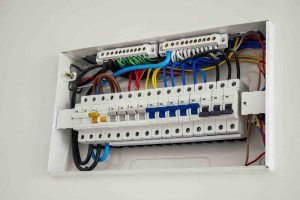
Testing procedures for fixed wiring and appliances ensure safety and compliance. A qualified electrician examines the entire electrical system during an inspection. They check the integrity of wires, sockets, and circuit boards.
The tests confirm that everything meets current safety standards.
For portable appliances, professionals conduct a Portable Appliance Testing (PAT). This testing identifies any faults or wear in items like kettles or computers. Inspectors evaluate appliances by checking their plugs, cables, and insulation conditions.
Regular checks maintain safe working environments and prevent potential hazards like electrical fires.
What to expect during the inspection process
An electrical inspection includes several important checks. A qualified electrician will examine your wiring, outlets, and appliances. They will also test the fixed installations to ensure they meet safety standards.
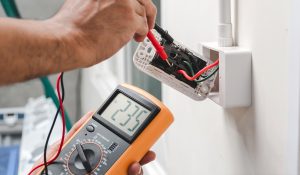
The electrician may take readings of circuit load and voltage levels. Expect them to check for signs of damage or deterioration in your electrical system.
During the inspection process, you can expect a detailed assessment through an Electrical Installation Condition Report (EICR). This report highlights any issues that require urgent attention and details compliant maintenance schedules.
Knowing what to anticipate helps maintain home safety and guarantees compliance with regulations related to rental properties, commercial spaces, and more.
Key Reasons for Regular Electrical Testing
Regular electrical testing protects your home and workplace from potential hazards. It also ensures that you meet all legal requirements and maintain compliance with safety standards.
Legal and insurance requirements
Landlords and homeowners must meet legal requirements for electrical safety. The law mandates that rental properties have a valid Electrical Installation Condition Report (EICR) every five years.
These inspections ensure compliance with safety standards, protecting tenants and owners alike.
Insurance companies often require proof of regular electrical inspections. Failing to keep up with these checks can lead to denied claims in case of incidents like fires or electrical faults.
Adhering to maintenance schedules not only keeps the property safe but also secures insurance coverage. Understanding what an electrical inspection involves is crucial for all property owners.
Prevention of electrical fires and accidents
Legal and insurance requirements connect directly to the prevention of electrical fires and accidents. Regular electrical inspections help identify potential hazards in your system.
Faulty wiring can cause serious fires, leading to property damage or injury. Electrical safety checks also reduce the risk of accidents at home or work.
Property owners must keep their properties safe by maintaining their electrics. Professional checkups highlight issues that require immediate attention. Staying proactive about maintenance ensures compliance with safety standards and protects lives.
A well-maintained system significantly lowers the chances of dangerous incidents like electrical shocks or fires.
Early detection of faults and deteriorating wiring
Regular electrical testing plays a vital role in keeping your home safe. It helps identify faults early and prevents bigger issues down the line. Deteriorating wiring can lead to dangerous situations, like electrical fires.
Homeowners should check their systems frequently to catch any problems before they worsen.
Landlords must also ensure their rental properties meet safety standards. An inspection can reveal hidden dangers, such as frayed wires or faulty circuits. Taking action promptly protects tenants and maintains compliance with regulations.
Hiring a qualified electrician for this maintenance ensures you get thorough checks on both fixed installations and portable equipment.
Signs Your Electrics Need Checking Sooner
Frequent tripping, burning smells, buzzing sockets, and flickering lights indicate trouble with your electrics. Take action quickly if you notice these issues. Choosing a qualified electrician can help ensure safety in your home.
Explore more tips on keeping your electrical system secure.
Warning signs such as frequent tripping, burning smells, buzzing sockets, or flickering lights
Frequent tripping of circuit breakers indicates a problem in your electrical system. Burning smells often signal overheating wires or faulty appliances. Buzzing sockets can arise from loose connections or damaged wiring, which pose serious safety risks.
Flickering lights suggest an unstable power supply or issues with the wiring. These warning signs require immediate attention to ensure compliance and maintain safety standards.
If you notice any of these issues, act quickly and consult a qualified electrician for an inspection.
Steps to take if you suspect a fault
Act quickly if you suspect a fault in your electrical system. First, turn off the power supply to prevent any accidents. Check for signs like burning smells, buzzing noises, or flickering lights.
These indicate potential issues that need attention.
Contact a qualified electrician immediately for an assessment. A professional can conduct an Electrical Installation Condition Report (EICR) to evaluate wiring and circuit integrity.
Timely action helps ensure safety compliance and prevents severe risks like electrical fires or accidents. Regular maintenance protects your home and keeps everyone safe.
The importance of acting promptly and choosing a qualified electrician
Choosing a qualified electrician is crucial for your safety and compliance with electrical standards. Skilled professionals have the right training to handle electrical systems safely.
They understand the regulations governing different properties, including rental properties and commercial premises. If you notice warning signs like buzzing sockets or burning smells, take immediate action.
Delaying could lead to more severe issues, such as electrical fires.
Qualified electricians conduct thorough inspections of wiring and appliances. They ensure everything meets safety standards while identifying potential faults early on. Regular maintenance checks help prevent accidents and protect your property from damage.
Trusting an expert can save you time and money in the long run while keeping you safe at home or work.