Worried your sockets or wiring may be unsafe at home?
An electrical safety check, or electrical inspection, uses a visual inspection and testing procedures to find faults in the electrical system.
I explain what a registered electrician tests and how they flag risks like circuit overload or electric shock.
Read on to learn what a condition report means and what you must do next.
Key Takeaways
- A qualified electrician performs the electrical safety check, which includes both visual inspections and physical tests of wiring, sockets, consumer units, and fixed installations.
- The inspection process takes about one to three hours depending on the size of your property. Electricians need clear access to all circuits and main electrical points.
- Safety devices like Residual Current Devices (RCDs) and circuit breakers are tested for proper function. Faulty components increase risks of electric shock or fire hazards.
- After the inspection, you receive an Electrical Installation Condition Report (EICR). This report highlights issues such as outdated wiring or overloaded circuits that may require prompt repairs.
- Landlords must legally conduct regular checks to ensure properties meet current safety standards. Homeowners also benefit from routine inspections to help prevent costly accidents or damage.
What to Expect During an Electrical Safety Check
During an electrical safety check, a qualified electrician conducts thorough visual inspections and physical testing of your system. They will examine wiring, sockets, and the consumer unit to ensure everything meets safety standards.
The process: visual inspections, physical testing, and checks of wiring, sockets, consumer unit, and fixed installations (What to Expect)
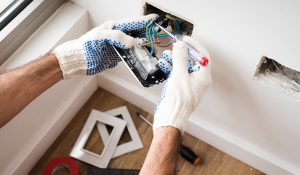
Electricians conduct a thorough visual inspection of your property during an electrical safety check. They examine wiring, sockets, and fixed installations for any visible signs of damage or wear.
Qualified electricians also perform physical testing on the consumer unit and circuits to ensure they function correctly.
Testing procedures cover equipment testing and circuit analysis to identify faults. Electricians assess risk factors such as electric shock risks and fire hazards throughout the inspection process.
A detailed evaluation helps guarantee compliance with safety standards and electrical codes in your home or business.
Who carries out the inspection (qualified electrician)
A qualified electrician carries out the electrical safety check. These professionals have specific training and experience in handling electrical systems. They ensure that all components meet safety compliance standards.
Each inspection includes both visual assessments and testing procedures.
Electricians evaluate various key components, such as wiring, sockets, and consumer units. They check for potential hazards like circuit overloads or risks of electric shock. Their expertise helps identify faults early on, protecting your property from fire hazards and other dangers associated with faulty wiring or installations.
Always choose a registered electrician to ensure thoroughness during this important inspection process.
How long it typically takes and what access is required
An electrical safety check usually takes between an hour to three hours. The time depends on the property’s size and complexity of the electrical system. Expect qualified electricians to assess wiring, sockets, and fixed installations during this process.
Access is crucial for a thorough inspection. Electricians need clear paths to all circuits and consumer units. They may require entry to any rooms with electrical components or appliances.
Ensure you remove obstacles around these areas for ease of access.
Key Components Inspected and Tested
Electricians thoroughly check fixed wiring and circuits during the inspection. They also assess consumer units, switches, sockets, and lighting to identify potential hazards.
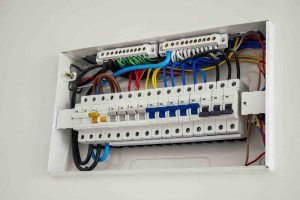
Fixed wiring, circuits, consumer unit (Key Components)
Fixed wiring forms the backbone of your electrical system. It connects all circuits throughout your property. Qualified electricians check these wires for damage and wear during an inspection.
They look for signs of overheating, fraying, or corrosion. These issues can cause faults that lead to electric shocks or fire hazards.
Circuits play a crucial role in power distribution. Electricians test each circuit to ensure it functions correctly and safely. They examine consumer units too, confirming that circuit breakers work properly.
This unit protects your home from overloads and short circuits, enhancing safety compliance in your property.
Switches, sockets, and lighting (Key Components)
Moving on from fixed wiring and circuits, switches, sockets, and lighting play crucial roles in your electrical system. Qualified electricians inspect these components closely during an electrical safety check.
They assess each socket for damage or wear. Faulty sockets can lead to circuit overloads or electric shock risks.
Inspectors also examine switches to ensure they operate correctly. A malfunctioning switch poses a fire hazard and could cause inconvenience. Lighting fixtures receive thorough checks too; flickering lights often signal underlying issues that need addressing.
Proper maintenance of these elements helps maintain safety compliance in homes and businesses alike.
Safety devices (RCDs, circuit breakers) (Key Components)
Switches, sockets, and lighting often work closely with safety devices. Residual Current Devices (RCDs) and circuit breakers play a vital role in protecting your electrical system.
RCDs detect any imbalance in electrical currents. They shut off the power quickly to prevent electric shock risks. Circuit breakers protect against circuit overloads by cutting the current flow when it exceeds safe levels.
Both devices are essential for fire hazard prevention as well. Regular testing ensures they function correctly during an electrical inspection. Property owners must maintain these safety devices for compliance with safety standards.
A thorough risk assessment can reveal if upgrades or repairs are necessary to avoid potential dangers in your home or business.
Portable appliances (if applicable)
Portable appliances undergo specific checks during an electrical safety inspection. A qualified electrician tests each appliance for safety compliance and risk evaluation. They assess items like toasters, kettles, and microwaves for potential electric shock risks and fire hazards.
Regular testing of these devices helps ensure they operate safely.
Electricians perform visual inspections on the cords and plugs too. Damaged components can create significant dangers if left unchecked. Keeping portable appliances in good condition is crucial for maintaining overall electrical safety in your property.
The next section covers how to understand your Electrical Installation Condition Report (EICR) and what steps you should take after the inspection.
Understanding Your Electrical Safety Report (EICR) and Next Steps
Understanding your Electrical Installation Condition Report (EICR) is crucial. This report details the condition of your electrical system and highlights any potential issues that require attention.
Explanation of the Electrical Installation Condition Report (EICR)
The Electrical Installation Condition Report (EICR) provides an assessment of your electrical system’s safety and condition. Qualified electricians carry out this inspection to ensure compliance with safety regulations.
The report highlights any relevant electrical hazards, such as circuit overloads or risks of electric shock.
It also details the status of wiring assessments, fixed installations, and circuit testing. Common findings in the EICR may include issues that require remedial actions or repairs.
Homeowners and landlords must review these reports carefully to address deficiencies promptly and maintain safety compliance at their properties.
Common findings and what they mean
The Electrical Installation Condition Report (EICR) highlights key issues in your electrical system. Common findings often include outdated wiring and circuit overloads. These problems increase the risk of electric shock or fire hazards.
Fault detection may also reveal insufficient earthing or bonding. Such defects compromise safety compliance and require immediate attention. Safety devices like RCDs and circuit breakers might fail to operate properly as well.
Remedial actions are necessary to ensure the integrity of your property’s electrical setup.
Remedial actions and repairs if faults are uncovered
Faults found during an electrical safety check require immediate attention. Qualified electricians will suggest specific remedial actions. They may recommend repairs to faulty wiring, circuit upgrades, or replacing worn-out sockets and switches.
These steps ensure your electrical system complies with safety standards.
After the inspection, you will receive a detailed report outlining any issues. This condition report highlights necessary fixes and their urgency. Addressing these concerns promptly reduces risks like electric shock or fire hazards.
Regular maintenance checks prevent future problems and enhance overall safety compliance in your property.
Legal and compliance considerations for landlords and homeowners
Landlords and homeowners must follow specific legal requirements regarding electrical safety. The law mandates that landlords ensure their properties meet safety compliance standards.
They should conduct regular electrical inspections to check for potential hazards, including circuit overloads and risks of electric shock.
Homeowners also benefit from understanding these regulations. An Electrical Installation Condition Report (EICR) is essential for assessing the condition of an electrical system. This report helps identify any issues that may pose fire hazards or other dangers.
Staying updated on legal obligations ensures both landlords and homeowners maintain safe living environments.
Tips to Prepare for and Maintain Electrical Safety in Your Property
Prepare your property for an electrical safety check by keeping access clear and ensuring all appliances are unplugged. Regularly inspect your wiring to detect potential issues early.
Follow best practices like not overloading circuits and scheduling periodic inspections with a qualified electrician. These steps will help prevent hazards and maintain safety compliance in your home or rental property.
Stay informed about how to keep your electrics safe; read more for detailed advice!
How to get ready for an inspection
Clean your property before the electrical safety check. This helps the electrician access all areas easily. Move furniture away from sockets and fixed installations. Clear any clutter that could obstruct their work.
Gather relevant documents, such as previous inspection reports and records of maintenance checks. Having these on hand will help inform the electrician about past issues. Ensure that all appliances are turned off but accessible for testing purposes.
Following these steps promotes a smoother inspection process while enhancing overall electrical safety compliance in your home or rental property.
Regular maintenance and best practices
Preparing for an electrical safety inspection sets the stage for regular maintenance and best practices. Maintain your electrical system to prevent issues like circuit overload or fire hazards.
Schedule routine checks at least every five years, or more frequently if you have old wiring.
Keep a checklist for common tasks. Regularly inspect plugs, sockets, and switches for any signs of wear. Promptly replace faulty equipment to reduce electric shock risk. Always engage a registered electrician for repairs or upgrades to ensure compliance with safety standards.
This practice protects you from potential electrical hazards in your property.
Choosing a qualified electrician
Choosing a qualified electrician ensures you receive proper electrical inspection and safety compliance. Look for registered electricians who hold relevant qualifications. They conduct thorough visual inspections and testing procedures on your electrical system.
Check their experience with circuit overloads, electric shock risks, and fire hazards. A skilled electrician can identify faulty wiring during the critical assessment of your home’s electrical setup.
Always verify their credentials before scheduling an inspection to ensure you meet legal requirements for safety assessments in your property.