Check your consumer unit against BS 7671:2018+A3:2024 and the latest Building Regulations. The consumer unit must give RCD protection and meet new AFDD and surge protection guidance where required.
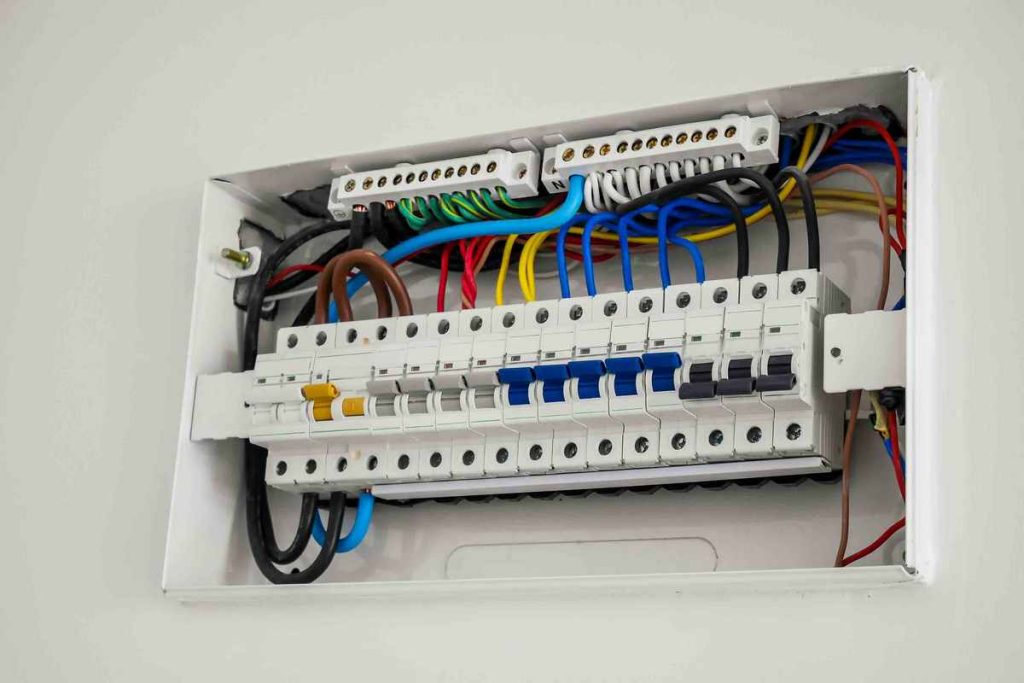
A modern fuse box uses RCBOs, clear labelling, and noncombustible material. Good electrical installation and safety standards help reduce fire risk.
Look for missing RCD protection, frequent tripping, damaged casing, or exposed wiring. Treat upgrades as notifiable work and book a competent electrician for inspection and certification.
Keep records of maintenance and any inspection to prove compliance and support future upgrades.
Introduction
Is your fuse box giving you trouble, or are you unsure if it follows the latest safety rules? UK wiring regulations have changed in recent years, making many older consumer units outdated and potentially unsafe. This guide explains how to spot issues, what the current standards require, and how you can make sure your electrical installation is safe and legal. Don’t risk your safety—find out if your consumer unit needs an upgrade.
Key Takeaways
- The latest UK wiring rules, BS 7671:2018+A3:2024, require RCD protection and noncombustible consumer units in homes. New safety features like Arc Fault Detection Devices (AFDDs) and surge protection are also advised under Amendment 3:2024.
- Old fuse boxes without RCD or clear labelling pose a serious fire and shock risk. Frequent tripping, exposed wires, or damaged cases mean your unit may be unsafe or non-compliant with current regulations.
- Upgrades to consumer units count as “notifiable work” under Building Regulations. Only registered electricians should carry out inspections and replacements; always keep certificates for proof of compliance.
- Suitable locations for consumer units include utility rooms and garages but avoid places near water or gas sources. Good ventilation stops moisture problems that could damage electrical parts.
- Regular visual checks by homeowners combined with professional servicing every five years help maintain compliance. Always plan ahead with spare space for future circuits, adding surge/arc protection when necessary to meet new standards.
The importance of a compliant consumer unit for household electrical safety
A compliant consumer unit plays a vital role in household electrical safety. It protects against electric shocks and possible fires. Current UK regulations mandate safety features like RCD protection and circuit breakers to avoid dangerous situations.
An outdated or non-compliant fuse box can increase risks, leading to potential hazards for you and your family.
Regular updates ensure that your electrical installation meets the latest standards. Understanding these regulations helps homeowners maintain compliance with Building Regulations and Wiring Regulations.
Proper labelling, suitable materials, and professional inspections contribute significantly to overall safety in your home.
Overview of current UK regulations and why they matter in 2024
Current UK regulations for electrical installations focus on safety and compliance. The IET Wiring Regulations, known as BS 7671:2018+A3:2024, outline essential standards. These regulations require RCD protection and specify the use of noncombustible materials in new builds.
Building Regulations also enforce safety measures related to electrical systems.
In 2024, homeowners must ensure their consumer units meet these updated standards. Regular inspections help maintain compliance with safety standards. Updated requirements protect householders from potential hazards like fires or electric shocks.
Knowing these regulations ensures better electrical safety within residences. This leads to a discussion about key regulation updates and legal requirements that all homeowners should understand.
Key Regulation Updates and Legal Requirements
The latest updates to the Wiring Regulations require households to install Residual Current Devices (RCDs) and Arc Fault Detection Devices (AFDDs). These changes enhance safety, ensuring homes comply with updated Building Regulations for 2024.
Summary of BS 7671:2018+A3:2024 (IET Wiring Regulations), Building Regulations, and Amendment 3:2024
BS 7671:2018+A3:2024 outlines critical standards for electrical installation in the UK. It sets safety requirements and best practices to ensure compliance with current regulations.
The amendment includes updated rules about Residual Current Devices (RCD) and Arc Fault Detection Devices (AFDD), which protect against electric shock and fire hazards. Compliance with these wiring regulations helps prevent fires caused by electrical faults.
Building Regulations also play a key role in ensuring household electrical safety. These rules, alongside Amendment 3:2024, mandate that installations use noncombustible materials where appropriate.
Safety standards now require proper labelling of consumer units to inform users of their functions clearly. Regular inspections guarantee adherence to these evolving regulations, keeping your home safe from electrical risks.
Essential safety features: RCD and AFDD requirements, surge protection, and labelling changes
The updates in UK regulations emphasise essential safety features for electrical installations. RCD protection, or residual current devices, protects against electric shock by cutting off the power supply if it detects a fault.
AFDDs, or arc fault detection devices, identify dangerous arcing faults that can cause fires.
Surge protection is now vital to shield your appliances from voltage spikes. Labelling requirements have changed to improve clarity and ensure compliance with safety standards. Proper labelling helps users understand their consumer unit’s layout and functionality.
Regular inspections will keep these components compliant and enhance overall electrical safety.
The necessity for professional certification and regular updates
Keeping your consumer unit compliant requires professional certification and regular updates. Qualified electricians ensure that installations meet the latest standards set by Wiring Regulations and Building Regulations.
They understand RCD protection, safety requirements, and noncombustible materials.
Regular inspections prevent issues before they arise. These checks identify outdated components in your electrical installation early on. Without this process, risks increase significantly.
Consistent updates help maintain electrical safety and compliance with current regulations. Always consult professionals for guidance to ensure your consumer unit stays safe and effective over time.
Signs Your Consumer Unit May Be Outdated or Non-Compliant
Many households still use old fuse boxes that lack essential features. Frequent tripping or exposed wiring can signal serious safety issues, indicating it’s time for an upgrade.
Visual indicators: old fuse boxes, lack of RCD/RCBO, insufficient labelling
Old fuse boxes can signal that your consumer unit is outdated. They often lack essential features like RCD (Residual Current Device) or RCBO (Residual Current Circuit Breaker with Overcurrent protection).
Without these safety devices, you risk electrical shocks and fires.
Insufficient labelling also raises concerns about compliance. Labels help identify circuits and their functions, ensuring efficient maintenance. A confusing or missing label can lead to mistakes during repairs or upgrades, compromising electrical safety in your home.
Make sure to check these visual indicators regularly for compliance with current regulations.
Common mistakes: ignoring amendments, “it’ll do” approaches, and outdated materials
Visual indicators such as old fuse boxes, the lack of RCD/RCBO, and insufficient labelling can signal a need for attention. Common mistakes often occur with electrical installations.
Ignoring amendments to regulations leads to noncompliance. Some homeowners adopt an “it’ll do” attitude towards outdated materials, thinking they are safe enough. This mindset puts lives at risk and increases hazards in households.
Upgrading your consumer unit is crucial for safety standards in 2024. Electrical installations must use compliant components like circuit breakers and RCD protection systems. Regular inspections catch issues before they escalate into dangerous situations.
Ensuring that you meet current Building Regulations protects not only your home but also the people living in it.
Typical warning signs: frequent tripping, damaged casing, exposed wiring
Ignoring amendments leads to dangerous situations. You may notice frequent tripping of your circuit breaker. This often indicates an underlying issue with your electrical installation.
A damaged casing on your consumer unit poses another sign of trouble. It can expose wiring, creating a hazard for anyone nearby. Exposed wiring risks electrocution or fire, putting lives at risk.
These typical warning signs call for immediate attention and compliance checks. Regular inspections ensure that your fuse box meets current safety standards and regulations. Act quickly if you see any indicators; professional help can prevent accidents and enhance electrical safety in your home.
Best Practices for Installation, Location, and Maintenance
Proper installation and maintenance of consumer units greatly enhance safety and reliability. Always place them in suitable locations away from moisture. Keep up with routine inspections to ensure everything stays compliant.
Regular servicing by professionals keeps your system running smoothly. Curious about more electrical safety tips?
Recommended locations: utility rooms, garages, under-stairs cupboards; locations to avoid (bathrooms, near water/gas)
Install your consumer unit in safe and suitable locations. Utility rooms, garages, and under-stairs cupboards work well for housing your fuse box. These spots provide easy access while keeping units away from hazards.
Avoid placing consumer units in bathrooms or near water sources. Moisture can damage electrical installations and create safety risks. Keeping these units clear of gas lines also reduces the chance of fire hazards or leaks.
Make sure to follow the latest Wiring Regulations for compliance and enhanced electrical safety standards.
Environmental considerations: ventilation, moisture, temperature extremes
Proper ventilation ensures that consumer units operate efficiently. Good airflow reduces the risk of overheating and maintains safe temperatures. Moisture can damage electrical components, leading to safety hazards.
Keeping consumer units dry protects your electrical installation.
Temperature extremes also impact performance. High heat can cause cables to deteriorate, while cold conditions may affect circuit breakers. Ensure that installation locations avoid damp areas or environments prone to extreme fluctuations in temperature.
Regular inspections help identify potential issues before they escalate into serious problems regarding compliance with safety standards.
Routine maintenance: visual inspections, professional servicing, documentation
Environmental factors affect your consumer unit’s performance. Regular maintenance is crucial for ensuring compliance with safety standards. Start with visual inspections to spot any obvious issues.
Look for signs of wear, like damaged wiring or corrosion on terminals. Note these observations in a log for future reference.
Professional servicing should happen at least once every five years. Electricians can check all components against the latest Wiring Regulations and Building Regulations requirements.
They will also verify RCD protection functionality and assess overall electrical installation safety. Maintaining thorough documentation of these services helps track compliance over time and supports consumer protection measures.
Future-Proofing and Safety Considerations
Future-proof your electrical system by planning for expansions. Ensure access to documentation and consider professional input to stay ahead of regulatory changes.
Planning for future expansion: leaving spare ways, considering surge/arc protection
Planning for future expansion is crucial. Leave spare ways in your consumer unit. This space allows for easy upgrades later. Consider adding surge protection as well. It safeguards against voltage spikes that can damage appliances.
Installing arc detection devices enhances safety too. These devices alert you to dangerous faults. They prevent electrical fires, which can result from faulty wiring or overloaded circuits.
By prioritising these features, you ensure compliance with current regulations while maintaining high safety standards in your home’s electrical installation.
Accessibility and documentation
Easy access to your consumer unit helps ensure safety. Place it in a convenient location, such as a utility room or garage. Avoid areas near water or gas appliances. Clear documentation supports compliance with wiring regulations and building regulations.
Keep records of all electrical installations and upgrades for reference. Store certificates from professional inspections safely. These documents show that you meet safety standards and help in future inspections.
Updating these records regularly keeps your home safe from potential hazards like outdated fuse boxes or non-compliant RCD protection. Safety relies on both accessibility and thorough documentation; the next step is understanding best practices for installation, location, and maintenance.
The value of professional advice and regular regulatory reviews
Professional advice plays a vital role in ensuring your electrical installation meets current regulations. Expert electricians understand the latest safety standards and can assess your consumer unit effectively.
Regular regulatory reviews help maintain compliance with Building Regulations and Wiring Regulations, protecting your home from electrical hazards.
The right professionals offer insights into necessary upgrades, such as RCD protection or enhancements to your fuse box. They spot issues that may lead to noncompliance, like improper labelling or outdated materials.
Frequent consultations ensure you stay informed about any changes in legislation and help future-proof your setup for upcoming requirements.
—
A compliant consumer unit is essential for household electrical safety. Current UK regulations, including BS 7671:2018+A3:2024 and Amendment 3:2024, define the standards for safe electrical installations.
These rules require RCD protection and surge protection features to prevent hazards. Noncombustible materials must be used in consumer units to improve safety levels.
Visual indicators reveal whether your consumer unit may be outdated or non-compliant. Look for old fuse boxes without RCDs or insufficient labelling as signs of potential issues. Frequent tripping, damaged casing, or exposed wiring also indicate problems requiring attention.
Regular inspections help ensure compliance with the latest building regulations and safety standards, keeping your home secure from electrical risks.
Best practices dictate that you install consumer units away from bathrooms and near water sources; utility rooms are suitable locations instead. Proper ventilation prevents moisture build-up that can damage components over time.
Routine maintenance includes visual checks and professional servicing to guarantee ongoing compliance with current regulations.
Planning for future expansions involves leaving spare ways within the unit for additional circuits later on; consider incorporating surge protection now to avoid potential risks in the future too.
Accessibility aids proper documentation of any changes made during installation or upgrades while seeking professional advice ensures adherence to evolving regulatory requirements.
This outline provides a streamlined, logical progression that aligns with the user’s intent and prioritises regulatory compliance, practical identification, and actionable guidance.
This outline offers a clear path to understanding consumer unit compliance with current UK regulations. It focuses on essential aspects of electrical installation and safety standards.
Readers can quickly grasp key updates, such as BS 7671:2018+A3:2024, and necessary features like RCD protection and noncombustible material.
Visual indicators help identify outdated fuse boxes or improper labelling. These tips lead homeowners towards safer practices in maintenance and installation locations. Regular inspections ensure adherence to building regulations while planning for future upgrades adds protection against risks like surges or arc faults.