Many people wonder, “Do I need an electrician for a small electrical job?” Something as simple as changing a light switch can actually involve important safety rules. This post explains which tasks you can do yourself and when you should call a professional. Keep reading to make sure your home repairs are safe and legal.
Key Takeaways
- You can usually change lightbulbs and replace socket faceplates yourself if you turn off the power first. These small tasks are low-risk but always check your local regulations before starting.
- Any electrical job involving new wiring, fuse boxes, bathrooms or outdoor areas must be handled by a qualified electrician. Working in these areas without proper skills can cause fires, electric shocks, or break safety laws.
- DIY mistakes with electricity may result in serious fines, home insurance problems, legal issues or even injury. Many regions legally require licensed electricians for complex repairs and installations.
- Always check an electrician’s credentials. Certified professionals follow current British standards and carry insurance that protects you during any repair work.
- Doing simple jobs yourself saves money but hiring a professional gives peace of mind and ensures your home is safe and meets all legal requirements.
Brief overview of the topic and why safety is crucial with electrical work.
Small electrical faults can seem simple. Mistakes can cause fire, shock or loss of power. Ask Do I Need an Electrician for a Small Electrical Job? before you start. Local electricians hold certification and can check wiring and circuits.
DIY electrical jobs like changing a lightbulb or replacing a socket faceplate carry low risk if you turn off the power. Work in bathrooms, outdoors or any new installation needs a qualified electrician.
Certification ensures compliance with safety regulations and reduces repair costs and inspection issues.
What Electrical Jobs Can You Safely Do Yourself?
You can change a lightbulb or replace a socket faceplate without calling for help. These tasks are simple and typically safe if you follow basic guidelines.
Examples of simple tasks (e.g. changing a lightbulb, replacing a socket faceplate).
Changing a lightbulb is an easy task most people can handle. Simply switch off the power to avoid shocks. Remove the old bulb, and screw in the new one carefully. This small job improves lighting without any fuss.
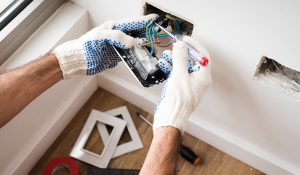
Replacing a socket faceplate also falls within DIY electrical work. Start by turning off the power at the circuit breaker for safety. Unscrew the old faceplate and install a new one if it shows signs of wear or damage.
These tasks enhance your home’s appearance while keeping safety intact during these simple jobs.
Legal considerations and limitations for DIY electrical work.
DIY electrical work has clear legal boundaries. Most regions require certain tasks to be completed by licensed professionals. If you attempt complex jobs, you might violate local codes or regulations.
This can lead to fines or complications when selling your home.
Legal restrictions often apply to installations and repairs involving wiring and circuitry. Homeowners may change lightbulbs or replace socket faceplates without issue. However, anything more complicated should be left to qualified electricians for safety and compliance reasons.
Always check local laws before starting electrical work; ignorance could cost you dearly in the end.
When Should You Call a Qualified Electrician?
Some small jobs require a qualified electrician for safety reasons. Tasks like installing new wiring or working on fuse boxes can pose risks if done incorrectly.
Types of small jobs that require a professional (e.g. new wiring, work in bathrooms or outdoors, fuse box changes).
Some small electrical jobs need a qualified electrician. New wiring requires expertise. This type of installation can be tricky and poses risks if done incorrectly. Work in bathrooms or outdoors also demands special attention due to moisture exposure.
Electricians understand how to manage these challenges safely.
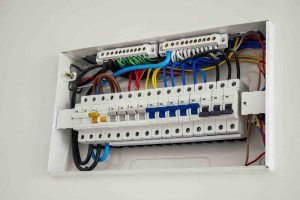
Fuse box changes represent another job best left to professionals. These tasks involve high voltage and can lead to serious accidents if mishandled. Always prioritise safety by trusting certified electricians with these types of repairs and maintenance work.
Potential risks and consequences of DIY mistakes.
Small jobs that require a professional often include tasks like new wiring or work in bathrooms, where mistakes can lead to serious problems. DIY electrical errors can cause fires, electric shocks, and extensive damage to your home.
A faulty installation may lead to equipment failure or even injury.
Ignoring safety guidelines increases the risks further. For instance, improper connections might not only fail inspections but also violate compliance regulations. This could result in costly repairs and legal issues down the line.
Hiring local electricians ensures you receive certified services that protect your home and family from such hazards.
What to Look for When Hiring an Electrician
Check the electrician’s credentials and qualifications thoroughly. Always choose a certified professional to ensure safety and compliance with regulations.
Checking credentials, qualifications, and registrations.
Hiring a qualified electrician requires careful evaluation of their credentials and qualifications. Verify that the electrician holds necessary certifications from recognised bodies.
A good professional should have relevant training in electrical work and possess valid registrations.
Consult local regulations to ensure compliance with legal standards. Proper certification ensures that the electrician meets safety requirements for installations, maintenance, and repairs.
Look for proof of insurance as well; this protects you from potential liabilities during projects. Selecting a certified expert ensures safe practices in your home repairs.
Importance of using a certified professional for safety and compliance.
Hiring a certified professional ensures safety and compliance in electrical work. Local electricians possess the necessary training and qualifications for installation, maintenance, and repairs.
They understand current regulations regarding electrical standards. This knowledge protects your home from potential hazards. A qualified electrician can spot issues that may go unnoticed during DIY projects.
Using an unqualified person for small jobs can lead to serious risks. Mistakes in wiring or installations might cause fires or electrocution. A certified expert guarantees proper inspection and troubleshooting of any problems.
Their expertise minimises the chance of costly damage later on. Recognising when to call a professional is essential for safe home repairs, especially with complicated tasks like new wiring or changes to fuse boxes.
Conclusion (Summary)
Safety is essential when handling electrical work. Make informed choices to protect yourself and your home.
Summary of key points.
Electrical work demands caution and skill. Some small jobs, like changing a lightbulb or replacing a socket faceplate, may be safe for DIY enthusiasts. Legal regulations limit what you can do without professional help.
For tasks such as new wiring or any work in bathrooms or outdoors, hiring a qualified electrician is essential.
Selecting the right professional is crucial for safety and compliance. Always check an electrician’s credentials before hiring them. Proper certification ensures they are trained to handle electrical repairs correctly.
Taking these precautions will protect your home during repairs and installations while keeping costs reasonable through quality service.
Final advice on making safe, informed choices with electrical jobs.
Choosing to perform electrical work can impact your safety and compliance with regulations. Always assess whether you have the necessary skills for a small job. Simple tasks like changing lightbulbs or replacing socket faceplates are usually safe for DIY enthusiasts.
For more complex jobs, hire local electricians who hold proper certifications.
Costs vary based on the job’s nature and location, so ask for cost estimations before starting any work. Contacting qualified electricians ensures you get professional services that meet legal standards.
Your safety should always come first in every home repair involving electricity.