You may worry about faulty outlets, shocks, overloaded circuits and fire risk in an older home. Older homes often have outdated systems, such as cloth-covered or aluminium wiring, old fuse boxes and poor wiring insulation.
This guide shows common electrical hazards hidden in older homes, how to spot faulty outlets, grounding issues and panel problems, and how to improve electrical safety during home renovation.
Read on to spot risks and book a home inspection.
Key Takeaways
- Older homes often have outdated wiring, such as knob-and-tube or aluminium wires, and old fuse boxes. These increase the risk of fire and electric shocks.
- Missing modern safety features like Residual Current Devices (RCDs), earthing, and circuit breakers leave older properties more exposed to hazards.
- Overloaded circuits, faulty outlets, ungrounded switches, and unsafe DIY electrical work can lead to serious dangers like fires or injuries.
- Warning signs include flickering lights, frequent breaker trips, burning smells, warm outlets or unusual sounds. Spotting these early helps prevent accidents.
- Regular inspections by certified electricians are vital. Upgrades like rewiring and new panels improve safety in old buildings.
Why Older Homes Are Prone to Electrical Hazards
Older homes often contain outdated wiring systems that can pose serious risks. These homes frequently lack modern safety features, leaving them vulnerable to electrical dangers.
Outdated wiring systems (e.g., knob-and-tube, aluminium, and cloth-covered wires)
Older homes often contain outdated wiring systems. Knob-and-tube wiring, aluminium wires, and cloth-covered wires pose significant electrical hazards. These types of wiring are not safe by modern standards.
They can lead to circuit overloads and increase fire risks in your home.
Knob-and-tube systems lack proper insulation, which raises shock hazards. Aluminium wires may corrode over time and cause grounding problems. Cloth-covered wires degrade with age, leading to insulation breakdown.
Homeowners should replace these outdated systems for improved electrical safety.
Old fuse boxes and insufficient consumer units
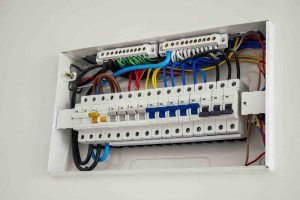
Many older homes still use old fuse boxes. These outdated systems often struggle to meet modern electrical demands. Fuse boxes typically hold fuses that can blow under heavy loads.
Without proper upgrades, they pose safety risks, like fire hazards and circuit overloads. Insufficient consumer units limit the number of circuits available in a home. This can lead to overloaded circuits and increase the risk of shocks.
These issues highlight the need for better electrical systems in older properties. Upgrading your electrical panels not only improves safety but also enhances convenience throughout your home.
Next, we will explore some common hidden electrical risks homeowners may face today.
Lack of modern safety features (RCDs, earthing, and proper circuit breakers)
Older homes often lack modern safety features like residual current devices (RCDs), proper earthing, and circuit breakers. These systems protect against electrical shocks and fires.
Without them, homeowners face serious risks. Outdated wiring increases the chances of shock hazards and fire incidents.
RCDs cut off electricity swiftly when they detect faults. This quick action prevents severe injuries or fatalities. Proper earthing directs excess electricity safely into the ground, reducing shock risks.
Circuit breakers provide vital protection by preventing overloaded circuits from causing damage or starting fires. Upgrading to these essential safety measures enhances electrical safety in older homes significantly.
Common Hidden Electrical Risks
Many older homes hide electrical risks that can threaten safety. Overloaded circuits and damaged outlets pose serious hazards for occupants.
Overloaded circuits and extension cords
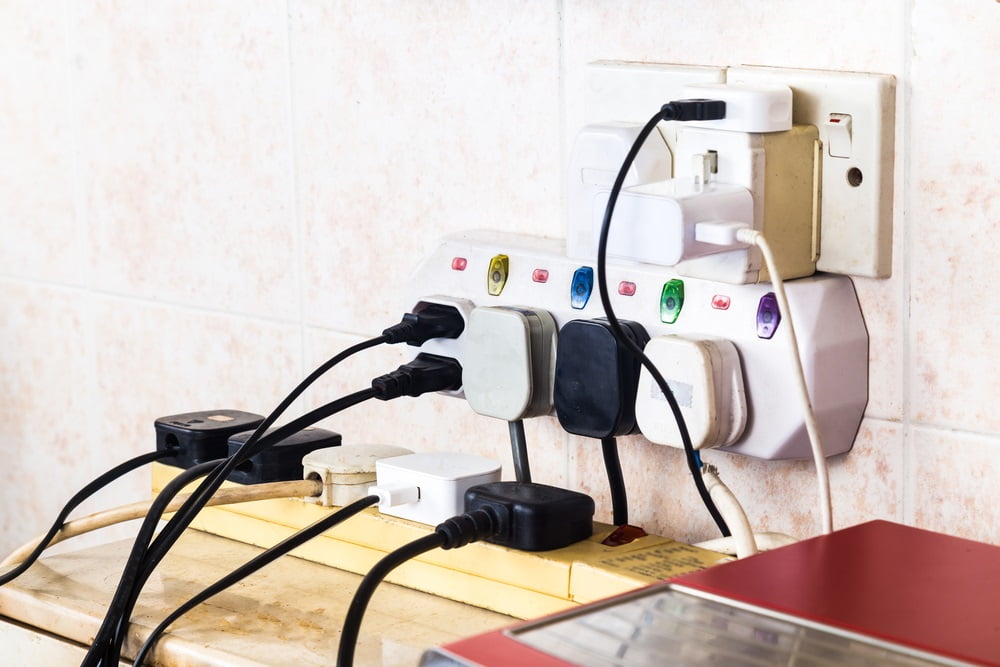
Overloaded circuits often occur in older homes. People use too many devices on one circuit, which can lead to overheating and fires. Extension cords may seem like an easy solution, but they increase the risk of electrical hazards.
They can’t handle heavy loads safely for long periods.
Old wiring systems might already struggle to manage demand. Using multiple extension cords adds more stress on these outdated systems. Homeowners should check their usage to avoid shock hazards or fire risks from overloaded circuits and faulty outlets.
Ungrounded or damaged power points and switches
Overloaded circuits and extension cords can lead to serious problems. Ungrounded or damaged power points and switches pose significant risks in older homes. These issues can result in electric shocks or even fire hazards.
If a power point is ungrounded, it may not redirect excess electricity safely, increasing the risk of electrical accidents.
Damaged switches often show signs like flickering lights or buzzing noises. These warning signs indicate potential faults that require immediate attention. Homeowners should inspect outlets regularly for any cracks or burns as this could signal deeper wiring issues.
Ensuring all outlets are properly grounded enhances electrical safety throughout your home and protects against future hazards.
Unsafe DIY electrical work from previous occupants
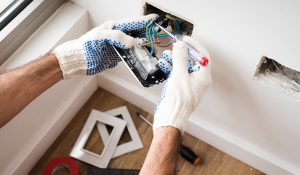
Unsafe DIY electrical work from previous occupants often creates serious hazards. Many homeowners attempt to fix their own wiring issues, leading to improper installations. Poorly connected wires can result in faulty outlets and shock hazards.
People may use inadequate materials, increasing the risk of fire due to insulation breakdown.
Furthermore, careless adjustments made by untrained individuals can overload circuits. This raises concerns about safety for anyone living in the home. It’s essential to identify these risks during inspections.
Engaging certified electricians is crucial for correcting past mistakes and ensuring a secure living environment.
Loose or exposed connections, especially outdoors
Loose or exposed connections present severe electrical hazards. These issues often arise from aging wiring and improper installations. Outdoor connections frequently suffer due to weather exposure, making them more vulnerable to damage.
Moisture can cause insulation breakdown, leading to shock hazards.
Homeowners should routinely inspect these areas for frayed wires or loose fittings. Faulty outlets increase the risk of circuit overloads and fires. Engaging a certified electrician ensures safer repairs and proper grounding in outdoor settings.
Regular checks on these critical components help maintain overall electrical safety in older homes.
Warning Signs and the Importance of Regular Inspections
Flickering lights and frequent breaker trips indicate possible electrical issues. Regular inspections help identify hazards before they become serious problems.
Flickering lights and frequent breaker trips (Warning Signs)
Flickering lights often indicate a serious electrical issue. This problem may arise from overloaded circuits or poor wiring connections. If your lights dim or flicker frequently, the strain on your circuits might cause a fire risk.
Frequent breaker trips can also signal underlying problems. Your circuit breakers trip to prevent overloads and potential shocks. Such issues may stem from outdated systems or faulty outlets.
These warning signs demand immediate attention from a qualified professional who can inspect and identify the root causes of these hazards effectively. Upgrading your electrical system is crucial for ensuring safety in older homes.
Burning smells, unusual noises, or warm outlets (Warning Signs)
Burning smells, unusual noises or warm outlets indicate serious electrical issues. These warning signs often suggest overloaded circuits or faulty outlets. A burning odour may arise from overheating wires due to insulation breakdown.
This condition can lead to shock hazards and fire risks.
Unusual sounds, like buzzing or crackling, usually point to wiring problems. Loose connections create resistance and generate heat, causing warm outlets. Address these signs promptly by engaging certified electricians for thorough inspections and repairs.
Proper attention ensures enhanced safety in older homes with outdated systems.
Necessity of professional electrical inspections and compliance checks
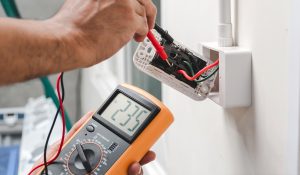
Flickering lights, unusual sounds, and warm outlets often signal deeper electrical issues. Regular inspections become crucial for maintaining safety. Professional electricians can identify hazards in wiring systems and circuits that might remain hidden from view.
Inspections ensure compliance with current electrical standards. They help spot outdated systems like old fuse boxes or ungrounded outlets. A certified electrician’s expertise protects your home from potential shocks or fire risks caused by faulty circuits and wiring issues.
Regular checks safeguard both your family and property against significant dangers that could arise unexpectedly.
Upgrading and Protecting Your Older Home
Upgrading your home’s electrical system is crucial for safety. Replace outdated wiring and install modern safety devices to guard against hazards.
Electrical rewiring and panel upgrades
Older homes often rely on outdated systems, causing many dangers. Electrical rewiring improves safety and efficiency. It replaces old wiring with new, safer materials. Modern insulation reduces the risk of shocks and fire hazards.
Panel upgrades also play a key role in enhancing electrical safety. Upgrading your fuse box to a contemporary circuit panel increases capacity for circuits and outlets. A new panel can handle today’s power demands better than older models do.
Engaging certified electricians ensures that all repairs meet current standards and regulations, providing peace of mind in your home renovation efforts.
Installing safety devices and increasing outlet capacity
Installing safety devices protects your home from electrical hazards. RCDs, or Residual Current Devices, stop the flow of electricity if they detect a fault. These devices prevent shocks and reduce the risk of fires caused by faulty wiring or insulation breakdown.
Increasing outlet capacity also helps improve electrical safety. Adding more outlets reduces reliance on extension cords, which can become overloaded circuits. Upgrading outdated systems ensures all electrical panels meet modern standards for performance and safety.
Such improvements create a safer environment in older homes that often have hidden risks waiting to be uncovered.
Engaging certified electricians for repairs and renovations
Engaging certified electricians ensures safety and compliance in your older home. They possess the expertise to handle wiring issues like outdated systems or circuit overloads. Electrical panels often need upgrades, especially in homes with old fuse boxes.
Certified professionals understand the risks of faulty outlets and grounding problems. Their skills help prevent hazards such as shocks or fire risks.
These experts follow regulations while performing repairs and renovations. Investing in their services enhances electrical safety through proper installations and modern updates. Homeowners reduce potential dangers by hiring qualified electricians for crucial tasks like rewiring or increasing outlet capacity.