Can Old Wiring Become Dangerous? Many people notice flickering lights, burning smells or too few sockets in older homes. Old wiring, like rubber or fabric cables over 30 years old, raises fire risk and can cause electrocution or electrical faults.
This post explains how inspection, maintenance and rewiring can lower hazards and meet modern safety standards. Read on to see when you need a professional check.
Key Takeaways
- Old wiring, especially rubber, fabric, or lead-insulated cables over 30–40 years old, raises the risk of fires and electric shocks. These materials fail to meet modern British safety standards.
- Signs like burning smells, discolouration around sockets, and too few outlets signal dangerous problems that need urgent inspection by a professional electrician.
- Many older homes still use outdated fittings and fuse boxes without proper earthing. This increases hazards such as circuit overloads and non-compliance with current UK electrical codes (British Standard BS 7671).
- Regular inspections are legally required in many cases. The government advises checks at least every 10 years for owner-occupied homes; landlords must carry out Electrical Installation Condition Reports (EICRs) every five years under UK law.
- Upgrading outdated wiring improves safety by meeting the latest standards and reducing risks from old systems. Always hire qualified electricians who understand regulations when rewiring or repairing electrical work.
Common Signs and Types of Ageing Electrical Wiring
Wiring that is over thirty years old can pose serious safety threats. Look for visible damage or burning smells as clear signs of underlying issues.
Wiring ages (e.g., over 30–40 years old)
Wiring can age rapidly, particularly if it is over 30 to 40 years old. Such wiring often uses materials like rubber or fabric insulation, which deteriorate over time. Older systems may also include lead-insulated cables that pose additional hazards.
Many people do not realise that outdated fittings and fuse boxes fail to meet current electrical safety standards.
Signs of deterioration are critical to notice. Burning smells and discolouration indicate a potential fire risk. Insufficient sockets can suggest overloaded circuits, leading to electrical faults or even electrocution risks.
Proper assessment becomes vital for ensuring safety in homes with ageing infrastructure.
Materials used (rubber, fabric, or lead-insulated cables)
Wiring can deteriorate over time, especially if it uses outdated materials. Homes built more than 30 to 40 years ago often contain rubber, fabric, or lead-insulated cables. These materials do not meet modern electrical safety standards.
Rubber wiring may crack and become brittle with age. Fabric insulation can fray and expose wires, increasing the risk of fire hazards.
Lead-insulated cables pose additional health concerns due to the toxic nature of lead. Faulty wiring made from these older materials can cause electrocution or circuit overloads. Upgrading to safer alternatives greatly improves home safety and reduces electrical hazards.
Regular inspections help identify issues before they escalate into serious problems.
Outdated fittings, fuse boxes, and lack of earthing
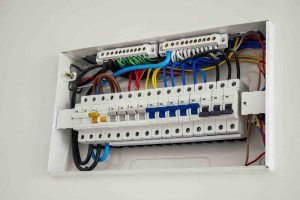
Old wiring often includes outdated fittings and fuse boxes. Such components can increase fire risk in homes. Many of these older systems may lack proper earthing, which further raises the danger of electric shock or electrocution.
When you ignore these issues, faulty wiring can cause circuit overloads.
Homeowners must recognise signs of deterioration in their electrical systems. Discolouration around outlets or a burning smell indicates urgent problems that need inspection. Upgrading to modern safety standards improves home safety and reduces hazards associated with ageing infrastructure.
Always consult qualified professionals for any necessary rewiring or replacements to ensure compliance with current electrical codes.
Visual and odour indicators (burning smells, discolouration, insufficient sockets)
Electrical hazards often make themselves known through visual and odour indicators. Burning smells signal trouble within the wiring or connections. Discolouration around sockets or fittings can highlight overheating issues.
Insufficient sockets can force homeowners to use multiple adapters, increasing the risk of circuit overload. Faulty wiring contributes to these hazardous conditions, making inspections vital for safety.
Homeowners need to pay close attention to these warning signs. They must act quickly when noticing any changes in their electrical system. Regular assessments ensure compliance with modern safety standards and enhance home safety.
Risks Associated with Old Wiring
Old wiring poses serious risks, including increased chances of fire and electric shock. Deterioration can lead to electrical faults that trigger blown fuses or cause circuits to trip.
Such hazards often stem from outdated systems that fail modern safety standards. Regular inspection is crucial to ensure your home remains safe and secure. Explore more about how you can protect your property from these dangers.
Increased fire hazards
Old wiring can lead to increased fire hazards in homes. As electrical systems age, they often deteriorate and become faulty. Aging infrastructure may not handle the demands of modern appliances, resulting in circuit overloads.
High resistance in old wires creates heat that can ignite nearby materials.
Signs like burning smells or discolouration indicate potential fire risks. Using outdated materials further heightens these dangers, as rubber and fabric insulation degrade over time.
Regular inspections help identify these hazards before they turn into severe issues. Homeowners must address these concerns promptly to ensure safety and compliance with current electrical codes.
Assessing aged wiring is crucial for preventing disasters caused by unsafe conditions related to old wiring systems.
Understanding when to assess or replace this wiring becomes vital for home safety.
Electric shock and surges
Electric shock and surges pose significant risks with old wiring. Ageing infrastructure may not handle modern electrical demands. This increases the chance of electric shocks, especially in homes with outdated systems.
Faulty wiring can lead to dangerous surges that harm appliances or cause severe injuries. Homeowners often overlook these hazards. They should take them seriously to ensure proper electrical safety.
Regular inspections can help identify potential issues before they escalate. Professional electricians assess the condition of your wiring and recommend necessary upgrades for improved safety and compliance with current standards.
With proactive measures, you can reduce fire risk significantly while maintaining home safety through updated electrical systems.
Electrical faults causing blown fuses or tripping
Old wiring can lead to significant electrical faults. Such faults often cause blown fuses or tripping circuit breakers. Worn-out insulation and deteriorating materials create hazardous conditions that increase the risk of electric shock or fire.
Ageing infrastructure may struggle to handle modern appliances, resulting in circuit overloads. Regular inspections help identify these issues before they escalate into dangerous situations.
Homeowners must pay close attention to signs of faulty wiring to ensure safety standards are met. Timely evaluations by professional electricians can prevent severe hazards associated with outdated systems, such as electrocution or fires.
Non-compliance with modern safety standards
Electrical faults causing blown fuses or tripping highlight serious issues with wiring. Outdated electrical systems often violate current safety standards. Homes built several decades ago might still use materials like rubber, which deteriorate over time.
Such outdated wiring raises the risk of hazards such as electric shocks and fires.
Fitting old fuse boxes can lead to significant dangers. Many older homes lack proper earthing, increasing the chances of severe accidents. Compliance with modern electrical codes is crucial for maintaining home safety.
Regular inspections by qualified electricians help identify these risks and ensure adherence to safety standards.
When to Assess or Replace Old Wiring
When old wiring shows signs of wear, assess it promptly. Regular inspections can prevent dangerous situations and ensure your home remains safe.
Warning signs that urgently require inspection (Assessment)
Signs of faulty wiring require immediate attention. Burning smells often indicate deteriorating insulation or overheating wires. Discolouration around outlets may suggest electrical arcing, which poses a significant fire risk.
Insufficient sockets can lead to circuit overloads, creating hazardous conditions in your home. Flickering lights may signal an underlying issue with the electrical system that needs inspection.
Outdated fittings and fuse boxes also raise concerns about safety standards compliance. If your wiring is over 30 years old, it likely does not meet current electrical codes. These factors increase the chances of electrocution or electric shock for you and your family.
Prioritising inspections helps mitigate these aged-related risks effectively.
Periodic safety inspections and legal requirements (Assessment)
Periodic safety inspections help identify outdated wiring and electrical hazards. These inspections are essential for homes, especially those with aging infrastructure. Many regulations require homeowners to maintain safe electrical systems.
Failing to comply can lead to legal problems.
Local authorities may enforce specific laws on electrical standards and safety codes. Professional electricians often conduct these assessments thoroughly, spotting deteriorating materials or faulty wiring that could lead to fire risks or electrocution.
Keeping up with regular inspections ensures home safety while reducing potential liabilities from hazardous conditions.
The role of professional electricians in evaluation and rewiring (Assessment)
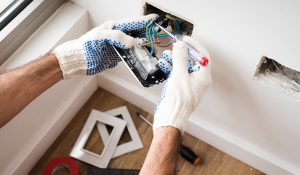
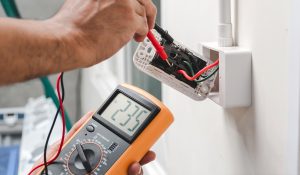
Professional electricians play a crucial role in evaluating and rewiring old electrical systems. They conduct thorough inspections to identify hazards like faulty wiring or outdated fittings.
Qualified tradespeople understand the latest electrical codes and safety standards, ensuring homes meet current regulations.
These experts assess age-related risks, looking for signs of deterioration such as burning smells or discolouration. After evaluation, they recommend necessary upgrades to improve electrical safety in older properties.
Their expertise helps prevent fire risks and reduces the chances of electrocution due to unsafe conditions.
How to Improve Electrical Safety in Older Properties
Upgrading wiring systems boosts safety in older properties and reduces risks. Proper installation and routine maintenance keep electrical hazards at bay. Finding qualified professionals for electrical work ensures compliance with current standards.
Explore the importance of these upgrades for a safer home environment.
Benefits of upgrading wiring systems (Safety Improvement)
Upgrading wiring systems significantly improves electrical safety. Modern wiring meets current safety standards and reduces the risk of electrical hazards like fire and electrocution.
It eliminates outdated materials such as rubber or fabric insulation, which can deteriorate over time. Newer systems also provide additional sockets, reducing the chance of circuit overload.
Proper installation ensures that homes comply with the latest electrical codes. Regular maintenance keeps wiring in good condition and prevents faults from arising. Homeowners should consult qualified professionals for inspections and rewiring, ensuring a safe living environment.
Understanding these benefits leads to effective strategies for enhancing home safety through regular assessments of wiring conditions.
Importance of proper installation and regular maintenance (Safety Improvement)
Proper installation of electrical systems ensures safety in homes. Qualified electricians should carry out this work to meet current safety standards. Regular maintenance also plays a critical role in preventing hazards.
Homeowners must schedule routine inspections on aging infrastructure to spot problems early.
Faulty wiring can lead to serious fire risks and electrocution. Upgrading outdated components improves overall electrical safety. Trained professionals help maintain compliance with the latest electrical code, reducing potential dangers at home.
Frequent checks keep systems functional and safe for everyday use.
Advice on finding qualified professionals for electrical work (Safety Improvement)
Finding qualified professionals for electrical work is essential. Start by checking their credentials and qualifications. Look for electricians who have experience with older wiring systems.
They should know about outdated materials like rubber or lead-insulated cables.
Seek recommendations from friends or family who have had positive experiences. Read online reviews to gauge customer satisfaction. Ensure the electrician complies with modern safety standards and local electrical codes.
Always ask for quotes before starting any rewiring project, as this helps you compare costs without overspending on faulty wiring repairs or upgrades.