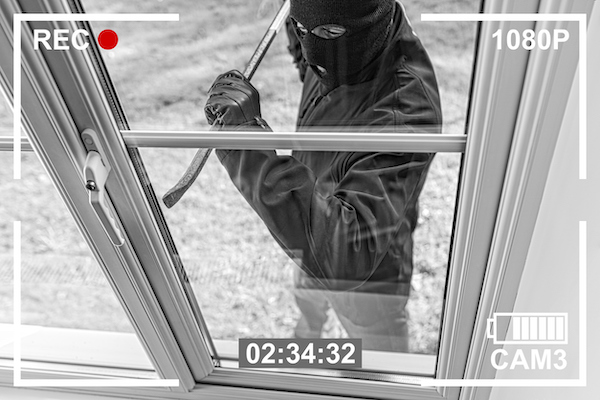
Many people wonder, “Will security cameras work through a window?” This is vital as we rely on these devices for home security. Our article explains how to make your camera work behind glass.
Keep reading to feel safer at home.
Key Takeaways
- Security cameras can work through windows, but IR reflection and thermal insulation often cause problems.
- Proper placement and illumination enhance the performance of night vision cameras behind glass.
- Adjusting the angle of your camera helps minimise glare and improves motion detection when placed behind a window.
- Window-mounted security cameras are designed to reduce reflections from sunlight, making them effective for use through glass during both day and night.
- Motion sensors may not accurately detect movement through glass due to interference, necessitating careful setup and possibly alternative detection methods.
Types of Security Cameras
There are various types of security cameras. Each type serves a specific purpose and offers unique features for different situations.
Classic Night Vision Cameras
Classic night vision cameras provide excellent clarity in low-light conditions. They use infrared technology to capture images at night or in dark areas. As the light fades, these cameras activate their infrared sensors.
This feature allows them to see clearly even without visible light.
Placement plays a crucial role in their effectiveness for outdoor surveillance through windows. Mounting these cameras too close to glass can cause issues with IR reflection on glass surfaces.
Proper setup helps minimise glare and enhances performance for video monitoring at night. Classic night vision cameras ensure reliable motion detection through glass, making them popular for home security systems.
Infrared Cameras
Infrared cameras offer unique advantages for surveillance. They excel in low light conditions, capturing clear images even at night. The technology behind these cameras relies on detecting infrared radiation.
This makes them ideal for security purposes.
Using an infrared camera through a window presents some challenges. Glass can reflect infrared light, which may impact the camera’s effectiveness. To improve performance, ensure proper placement of the camera and adjust settings as needed.
Keep in mind that thermal insulation might also interfere with image quality. Proper illumination helps enhance visibility when using these devices indoors or outdoors.
Thermal Imaging Cameras
Thermal imaging cameras offer unique advantages for surveillance. They detect heat instead of light, making them effective in total darkness or adverse weather. These cameras excel at identifying warm objects like people and vehicles.
Security camera placement becomes crucial here, since glass can hinder performance by filtering out some thermal energy.
Using thermal imaging through windows presents challenges, especially with insulation interference. Adjusting the angle and distance can improve visibility. Outdoor view from indoor cameras helps maintain privacy while keeping an eye on your property.
Next, we’ll explore whether security cameras work effectively through glass or windows.
Can Security Cameras Work Through Windows or Glass?
When positioned behind glass, CCTV security cameras can face challenges. Factors like glare and infrared reflection often interfere with their effectiveness.
Potential problems
Using security cameras through glass presents several challenges. Infrared reflection on glass can hinder night vision camera performance. This interference prevents the camera from capturing clear images in low light.
PIR motion sensors face issues, too, as they may not detect movement accurately behind a window. Thermal insulation can further complicate matters by blocking heat signatures, making it tough for thermal imaging cameras to work effectively.
Illumination also plays a crucial role. Security cameras need proper lighting for clear footage. Glass can distort this light, affecting image quality and detail in video surveillance behind glass.
These potential problems impact overall effectiveness when using surveillance cameras through windows or glass surfaces.
Solutions
With the right approach, security cameras can function effectively through windows. Use high-quality night vision cameras designed for low-light conditions. These cameras offer clarity even in darkness and work well behind glass.
Consider window-mounted security cameras for optimal placement. They often come equipped to reduce glare from sunlight, enhancing their performance during the day or night. Proper illumination is essential for security cameras, as it enhances visibility and reduces reflections caused by glass interference.
Adjusting the angle of your camera will also help minimise issues related to the effectiveness of PIR motion sensors when detecting movement through windows.

How to Use Night Vision Cameras Through a Window
Position your night vision camera carefully to avoid reflections from the glass. Adjust the area around the camera to reduce glare and maximise performance.
Camera setup and area arrangement tips
Choose the right spot for your night vision camera. Keep it clear of obstacles. Ensure no plants or furniture block the view. Cameras need a wide angle to capture movement effectively.
Adjust the angle for optimal visibility. Aim directly at potential entry points, like doors and windows. Positioning helps enhance motion detection through glass, too. Mounting your security cameras properly improves overall performance and effectiveness behind glass.
Now, let’s explore tips for using security cameras through a window.
Tips for using security cameras through a window
Position your night vision camera at an angle to reduce glare from the glass. Use a window security camera with features that minimise reflection, such as specialised filters. Secure the camera firmly to prevent movement and avoid blurring the footage.
Ensure proper illumination outside for clear images during low-light conditions. Set up motion detection carefully, as PIR motion sensors may be confused by glass interference. Adjust settings based on local conditions for optimal crime prevention and surveillance technology results.
Motion Detection and Recording Through Glass or a Window
Motion sensors can struggle with glass. Infrared reflection might confuse the system, affecting detection accuracy.
Impact on PIR motion sensors and infrared reflection
PIR motion sensors can struggle with glass barriers. These sensors detect changes in heat, but glass may hinder their effectiveness. Infrared reflection from the glass can confuse the sensor.
It might not register movement accurately outside. This can lead to missed alerts or false alarms.
Using night-vision cameras through windows also presents challenges due to light interference. Glass reflection can obscure images and reduce clarity. Finding solutions helps improve performance in these situations, ensuring better surveillance results.
Illumination for security cameras
Illumination plays a crucial role in the effectiveness of security cameras. Night vision cameras rely on low light to capture images clearly. They function well in dim conditions but may struggle with bright lights or reflections from windows.
This interference can reduce image quality significantly.
Using indoor lighting strategically can enhance night vision through glass. Properly positioned lights outside your property can illuminate areas without creating glare on the window.
This setup helps improve motion detection and overall visibility, ensuring surveillance cameras perform effectively behind glass, even at night.
Overall Effectiveness and Challenges of Using Security Cameras Through Glass or Windows
Using security cameras through glass presents both effectiveness and challenges. Night vision cameras struggle with reflections when placed behind windows, and thermal insulation interferes with these devices, affecting the image quality.
Motion detection through windows can also be tricky. PIR motion sensors may not detect movement accurately due to glass barriers.
Surveillance cameras that operate effectively behind glass need proper setup. Bright lights from inside can cause glare on the window surface, impacting visibility. Consider using window-mounted security cameras specifically designed for this situation.
Be aware of privacy concerns as well; some areas might restrict visible surveillance equipment outside homes or businesses. Knowing these factors will help users choose the right approach for their security needs.