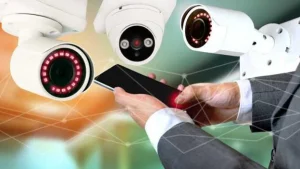
Are you considering installing a CCTV system at home but trying to figure out where to start? Did you know that modern surveillance systems can reduce crime by up to 31%? This blog will answer the most common questions, from how these systems work to legal concerns.
Keep reading for some clear and straightforward guidance.
Key Questions on CCTV Systems
CCTV systems often raise many questions. Here are some key points to help you understand how they work and what they involve.
What does CCTV stand for?
CCTV stands for Closed-Circuit Television. This type of video surveillance uses security cameras to monitor and record activities in a specific area. They are common in homes, businesses, and public spaces.
Closed-circuit means the footage is not broadcast publicly but sent to specific monitors or recording devices. These systems monitor security by showing live feeds or storing video for later review.
Surveillance technology like this helps keep areas safe from crime or unwanted activity.
How does CCTV work?
Surveillance cameras continuously capture video footage, which is sent to a Digital Video Recorder (DVR) or Network Video Recorder (NVR). High-definition video, often 1080p, offers clear images.
Infrared technology allows recording at night. Motion sensors activate the cameras when movement occurs. Storage devices like HDDs and microSD cards save the footage. Wireless connectivity enables remote monitoring from smartphones or computers.
Legal Considerations of CCTV
Keeping your CCTV system legal is crucial. You need to understand the rules around privacy and data protection.
Is it legal to record audio on CCTV?
Recording audio on CCTV can be tricky. Legal considerations vary by country. In the UK, recording sound without permission breaches privacy laws. Most surveillance cameras do not come with built-in microphones for this reason.
If you want to monitor employees, you must notify them first. Transparency is key. Ensure your workplace privacy policy covers audio recording if used for security systems. Compliance with GDPR and other data protection rules is crucial to avoid fines or legal issues.
What are the rules on CCTV cameras and GDPR?
CCTV cameras must follow GDPR rules when they capture neighbouring properties or public areas, and homeowners must comply with the Information Commissioner’s Office (ICO) guidelines.
This includes having a clear purpose for the footage and protecting personal data.
A privacy policy is essential for businesses when using CCTV. Inform employees about monitoring, and do not invade their privacy without good reason. Compliance with GDPR is necessary for legal ownership of surveillance systems, ensuring everyone’s data stays secure and private.
Practical Concerns with CCTV
How secure is your home security system? Users often wonder about the lifespan of their surveillance footage and its vulnerability to hacking.
How long does CCTV footage last?
Home CCTV systems can store footage for different lengths of time. Most modern DVRs and NVRs use surveillance-grade HDDs designed for 24/7 operation with low power consumption. A recommended storage capacity is at least 4TB, which can hold weeks or even months of video, depending on the quality and resolution.
Some cameras also use microSD cards to store footage locally during power outages. Backup storage options like external hard drives ensure long-term retention of important data. High-quality WD Purple drives are perfect for continuous recording needs in DVR and NVR systems.
Can CCTV be hacked?
Yes, CCTV can be hacked. Cybercriminals may exploit vulnerabilities in the surveillance cameras or the network. Reputable equipment reduces this risk. Professional installers ensure systems are less prone to hacking and prevent warranties from being void.
SSL encryption protects data from unauthorised access. Regular updates and strong passwords also help secure your system. Seek professional help for robust data security measures against cybersecurity threats.
Conclusion
CCTV systems enhance home security, deter crime, and provide peace of mind. However, they must always be used in accordance with legal regulations. Choose the right system for your needs to ensure safety and privacy.