Choosing the best way to connect to the internet can take time and effort. Did you know that both Wi-Fi and Ethernet have their unique benefits? This article will guide you through the pros and cons of each, helping you make an informed choice.
Stick around to find out more!
Key Takeaways
- Ethernet connections offer faster speeds, reaching up to 10 Gbps, and more stable performance compared to Wi-Fi. They suit tasks like online gaming or streaming well because of lower latency.
- Wi-Fi provides the benefit of mobility and convenience, allowing users to connect from practically anywhere within range. This makes it ideal for those who need to move around their home or work in various locations.
- Security can be a concern with wireless connections. Using a VPN enhances security for both Wi-Fi and Ethernet by encrypting data transfers. Popular VPN apps include NordVPN, ExpressVPN, and CyberGhost.
- The cost associated with setting up an Ethernet connection includes higher upfront charges for equipment like routers but may result in lower long-term maintenance costs. Wi-Fi setups often have lower initial costs but might incur ongoing expenses.
- Choosing between Wi-Fi and Ethernet depends on assessing personal needs such as speed, stability versus mobility, and convenience, along with considering budget constraints for equipment and monthly fees.
Performance Differences
Wi-Fi often struggles with speed and stability, especially in crowded areas. Ethernet connections generally provide faster speeds and more reliable performance for online gaming or streaming tasks.
Speed
Ethernet offers faster internet speeds compared to Wi-Fi. Wired connections can reach data rates of up to 10 Gbps, while Wi-Fi typically peaks at around 1 Gbps with newer standards.
Streaming performance remains stable and high-quality with Ethernet due to this speed advantage.
Wi-Fi may struggle in crowded environments where many devices connect simultaneously. This congestion leads to slower speeds and higher latency. In contrast, Ethernet’s direct cable connection ensures a consistent experience across all online activities, making it an excellent choice for those prioritising speed and reliability.
Stability
Speed affects stability in networking. Wi-Fi connections can drop out or slow down due to interference from walls, devices, and distance. Wireless signals change based on your location and the number of users online.
As a result, you may experience lag during important video calls or gaming sessions.
Ethernet connections maintain steady performance. They use physical cables that directly link your device and the network. This setup reduces the chances of interruptions caused by external factors.
Therefore, if you prioritise reliability over convenience, Ethernet proves to be the better choice for stable connectivity.
Latency
Latency refers to the delay before data starts transferring between devices. Wired connections like Ethernet generally have lower latency compared to Wi-Fi. This means tasks requiring quick response times, such as online gaming or video conferencing, perform better on a wired network.
High latency can lead to lag and disruptions during these activities. Wireless connections often experience more interference and obstructions. Overall, choosing Ethernet may enhance your speed and reliability for time-sensitive tasks compared to relying solely on wireless options.
Security Comparison
Wireless connections often face more security risks than wired ones. Using a VPN can protect your data on both types of networks, yet some top VPN apps work better with certain setups.
VPN for wired and wireless connections
VPNs offer protection for both wired and wireless connections. They create a secure tunnel for your data, making it harder for hackers to access personal information. With Wi-Fi, you often connect in public places where security is weaker.
A VPN encrypts your browsing activity, keeping it private.
Ethernet connections also benefit from VPN usage. They ensure that sensitive data stays safe while transferring between devices. A good VPN service can enhance security for both types of network connectivity options.
Some top VPN apps include NordVPN and ExpressVPN, which provide strong encryption across all platforms.
Top VPN apps for Internet security
Using a VPN enhances your online security, whether you use Wi-Fi or Ethernet. Numerous VPN apps offer strong protection for your data transfer and internet access. Popular options include NordVPN, ExpressVPN, and CyberGhost.
These apps create secure connections that shield your personal information from hackers.
NordVPN stands out with its ease of use and solid features. It provides fast speeds and excellent bandwidth management. ExpressVPN offers a wide server network, making it ideal for streaming securely.
CyberGhost is user-friendly and offers dedicated servers for various needs. Each app helps you enjoy the advantages of wired networking while considering security against potential threats on wireless vs. wired connections.
Making the Right Choice for Your Connectivity Needs
Choosing the right connection can make all the difference for your online experience. Wi-Fi offers mobility, while Ethernet provides a steady and reliable link; each has unique advantages to consider.
Mobility and convenience with Wi-Fi
Wi-Fi offers excellent mobility and convenience for users. You can connect your devices from anywhere within the network’s range, making moving around your home or office hassle-free.
Smartphones, tablets, and laptops enjoy seamless connectivity without being tethered to cables.
Wi-Fi access makes working in cafes or parks easy. Users appreciate being able to stay connected while on the go, which allows for more freedom in choosing workspaces and activities.
The convenience of Wi-Fi makes it a popular choice among people who value mobility and accessibility.
Stability and reliability with Ethernet
Ethernet provides a stable and reliable network connection. Unlike Wi-Fi, which can weaken with distance or obstacles, Ethernet maintains strong performance regardless of your location in the home or office.
When using wired networking, users experience fewer dropped connections. This reliability makes it a top choice for activities that need consistent speed, such as gaming or streaming.
The performance comparison of Wi-Fi and Ethernet highlights significant advantages for wired users. An Ethernet connection maintains low latency, making tasks like video calls smoother.
In contrast to wireless options, Ethernet avoids interference from other devices. Those prioritising stability often invest in an Ethernet setup rather than relying solely on Wi-Fi connectivity.
Cost Comparison
Wired connections often require higher upfront costs for equipment and installation. Wireless networks typically involve lower initial expenses, but ongoing monthly fees can increase over time.
Equipment costs
Ethernet equipment often costs more upfront. A basic Ethernet router can start around £30. In contrast, a Wi-Fi router has varied prices, ranging from £20 to over £200. The price difference stems from the technology used in each system.
Consider long-term expenses as well. Ethernet typically requires less maintenance and fewer upgrades over time. Wi-Fi devices might need regular updates or replacements due to slower speeds.
Weigh these factors when choosing between wired and wireless networking for your needs.
Monthly expenses
Wi-Fi and Ethernet both have different monthly expenses. Wi-Fi often involves a simple internet plan and the cost of a router. You might see these charges on your bill each month.
With Ethernet, you usually pay for the internet service plus any extra fees for modem rentals or installation costs.
On average, wired connections can be more stable, but they may have higher upfront equipment costs. Wireless setups are usually cheaper to start, so many prefer them for home use.
Next, let’s explore how performance differs between these two options: speed, stability, and latency.
Conclusion
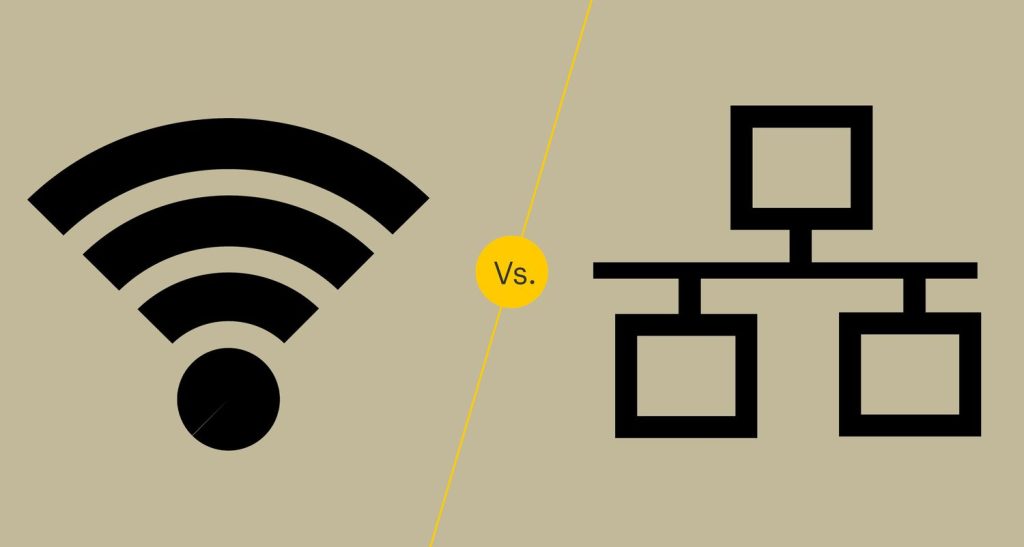
Choosing between Wi-Fi and Ethernet comes down to your needs. If you value speed and stability, Ethernet often wins. For mobility, Wi-Fi offers great convenience. Consider your budget, too; both options have their costs.
Weigh the pros and cons carefully to find what suits you best.